Māʻalaea parking deserves its own warning. The lot is managed by https://www.secureparkinghi.com/parking-location/maalaea-boat
Getting to the Harbours Without a Car
The Maui Bus is genuinely usable for a mid-morning departure and completely useless for a 6:30 AM raft. Route #10 (Kihei Islander) and Route #15 (Kihei Villager) connect Kahului to Māʻalaea Harbor Village at 300 Māʻalaea Road, then run down South Kīhei Road and out to Wailea Ike Drive. Fares are $2.00 per boarding or $4.00 for a day pass, cash only, and free for riders 55 and over, students 24 and under with ID, and Medicare cardholders. Schedules live on the https://www.mauicounty.gov/” target=”_blank” rel=”noopener”>County of Maui site.
Uber and Lyft do operate on Maui, but driver supply at 5:45 AM is thin and surge pricing is real. Schedule the ride the night before. Hotel shuttles are the quieter option: Aliʻi Nui offers a hotel shuttle add-on at $21.61, and Kai Kanani runs a complimentary shuttle from Wailea resorts. Both exist because the actual constraint is not distance, it is a 5:45 AM pickup.
Seasickness and the Channel Weather Window
Trade winds build across the Maui isthmus after 11:00 AM, often hitting 20 to 25 knots or more by early afternoon. That single fact explains the biggest tourist trap in Molokini logistics: the cheap afternoon “Captain’s Choice” trip. Book one of those $75 to $105 sessions and your captain may divert to Coral Gardens or Olowalu along the West Maui Pali without a refund, because every contract says snorkel locations are weather permitting and at the captain’s sole discretion. Operators divert rather than cancel. That is their business model, not a scam in the legal sense, but it is not what you paid for either.
Take motion-sickness tablets 30 to 60 minutes before boarding, not once you feel queasy. Eat something plain. Sit low and at the stern, keep your eyes on the horizon, and skip the coffee. I check the 8:00 AM report from the Snorkel Store or Boss Frog’s before every trip, and I would rather cancel a booking than spend forty minutes green around the gills. Our safety and shark facts page covers currents and snorkelling protocols in more depth.
Private Charter vs Shared Boat, and the Turtle Town Add-On
Shared catamarans suit families, first-timers, anyone prone to seasickness and travellers who want breakfast included. Rafts suit confident swimmers, photographers and people who value a short crossing over shade. A private charter, usually $1,800 to $3,500 for the vessel rather than per head, makes sense for groups of six to twelve, for divers running the Back Wall, or for anyone who wants to exploit the 10:15 to 11:45 AM turnover window when only one to three boats remain on the moorings.
Turtle Town is the standard second stop. After the 2.5-hour mooring cap, most four-hour trips run 15 to 20 minutes south to the Maluaka and Five Caves area to snorkel with green sea turtles. Budget an extra 45 minutes in the water and expect far murkier visibility than the crater. Do note that Molokini itself is not a guaranteed turtle site, whatever the brochure suggests. The combo departures from Kīhei, including this https://www.viator.com/tours/Maui/4-Hour-Molokini
Māʻalaea Small Boat Harbor
Address: 101 Māʻalaea Boat Harbor Road (also signed 11-300 Māʻalaea Road), Wailuku. The name means “sea spray” in Hawaiian, which tells you most of what you need to know about the wind here.
This is the big one, and it is where roughly two-thirds of Molokini trips begin. Boats load by ramp rather than beach, so it is the friendliest choice for anyone with mobility limitations: Four Winds II at Slip #80, Calypso at Slip #82 and Pride of Maui at the North Loading Dock all take folding manual wheelchairs (motorised chairs cannot cross the pier gaps). Expect a 45 to 60 minute crossing on a stable twin hull. Full harbour details sit on the https://dlnr.hawaii.gov/dobor/maala
Kīhei Small Boat Ramp
Address: 2800 South Kīhei Road. Kīhei translates loosely as “the reddish tinge,” a nod to the soil, not the sunburn you will earn later.
Parking in the upper lot costs nothing. The lower lot is strictly trailer-only, and the ramp complex has three ramps, two docks, restrooms and cold showers. This is the home base for the fast raft fleet, including https://redlinerafting.com/” target=”_blank” rel=”noopener”>Redline Rafting and Blue Water Rafting, and the reason the crossing is only 15 to 20 minutes.
There is no shelter at the ramp. Wind funnels off Haleakalā at 6:30 AM and you will be standing in it, so pull on your layers in the car. Operators check in on the pavement, hand out fins, and launch on time.
There is a third option that not many visitors realise exists. Kai Kanani Sailing Charters checks guests in at 108 Wailea Ike Drive (free parking plus a complimentary shuttle from Wailea resorts) and then boards barefoot through knee-deep surf at 5400 Makena Alanui on Maluaka Beach. At 2.5 miles from the crater, it is the closest launch point on Maui and saves Wailea guests a 35-minute drive each way. Their sunrise departure is the only trip that reliably beats the morning armada.
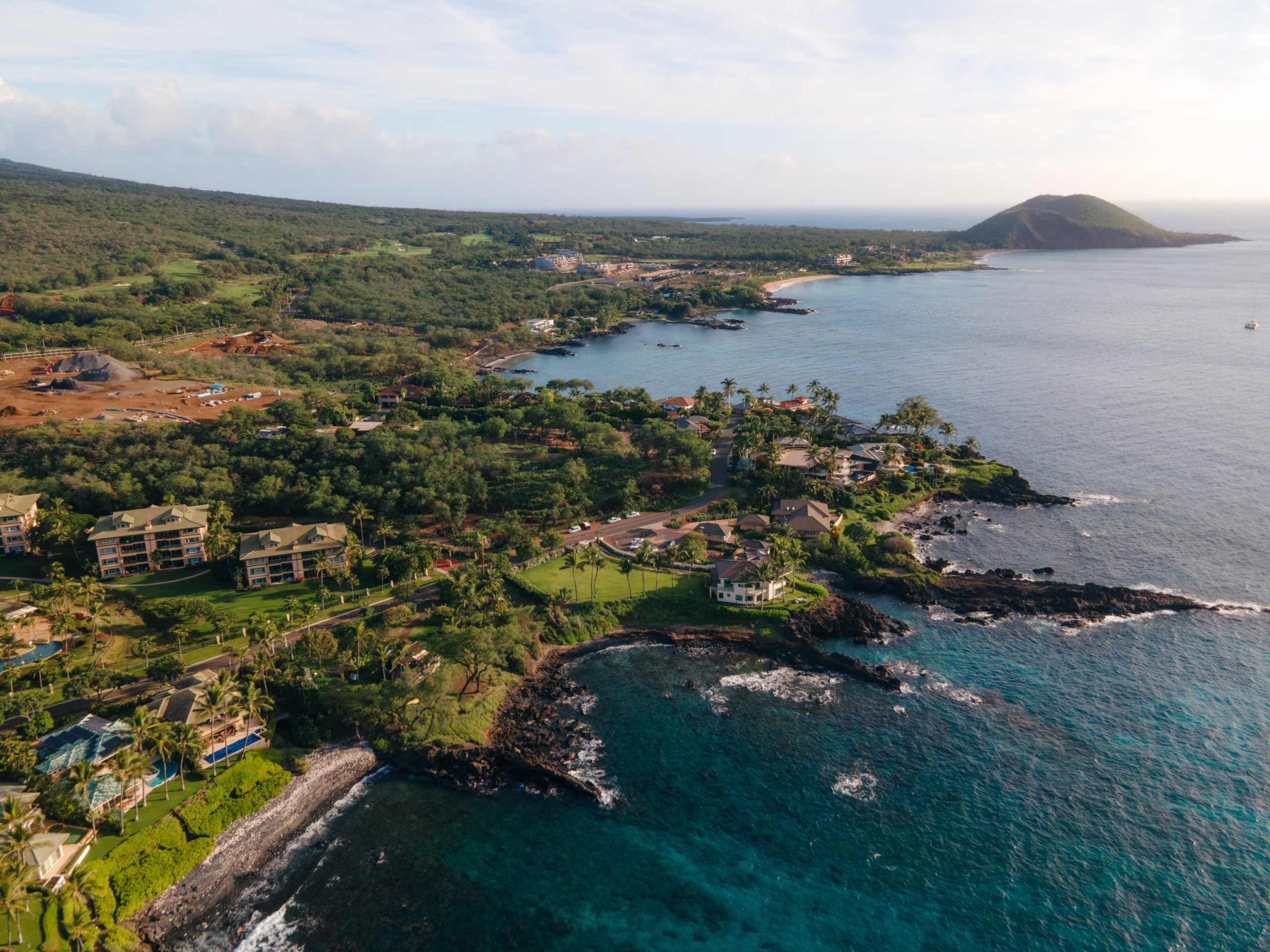
Arriving on Maui: Kahului Airport (OGG), Cruise Ships and Drive Times
Kahului Airport sits at 1 Kahului Airport Road, Kahului, HI 96732. From baggage claim to the Māʻalaea car park is a 20 to 30 minute drive, and to the Kīhei ramp about 25 to 30 minutes. Both are straightforward on Highway 311 and Highway 30, with no mountain passes and no meaningful traffic before 6:00 AM.
Cruise passengers face a different problem. Kahului Harbor is 16 nautical miles from Molokini by sea, and no ship tenders out to the crater. You must book a shore excursion boat that departs from Māʻalaea or Kīhei, which adds a coach transfer of 25 to 35 minutes at each end. Check your sailing time honestly, because the 4:00 PM latest return from the crater leaves very little margin.
- Kahului Airport to Māʻalaea: 20 minutes, 8.5 miles via Highway 311 and Highway 30.
- Kahului to the Kīhei ramp: 25–30 minutes via Highway 311 and South Kīhei Road.
- Kīhei or Wailea to Māʻalaea: 20 minutes, mostly along North Kīhei Road.
- Kāʻanapali to Māʻalaea: 50–60 minutes down the Honoapiilani Highway (Hwy 30), longer if there is a brush fire or a closed lane.
- Nāpili or Kapalua to Māʻalaea: 65–75 minutes, which is a brutal pre-dawn drive.
- Wailea to Maluaka Beach: 10 minutes, the shortest transfer on the island.
A word on arrival day. Jet lag is the most underrated hazard in Molokini logistics. Booking a 5:45 AM check-in on the morning after a long-haul flight is how people end up nauseous before the boat even clears the breakwater. Give yourself 24 hours on island first, and confirm your dates against the seasonal wind patterns on our best time to visit Maui guide.
Every skipper at Māʻalaea will tell you the same thing: the channel is a morning animal. Before 11:00 AM it behaves. After that, the trade winds funnel across the isthmus at 20 to 25 knots and the Alalakeiki Channel turns into a washing machine. Book the early boat, and if you cannot face the early boat, book a South Maui raft instead of a Māʻalaea catamaran.
Vessel Selection: Large Catamarans vs Rigid Inflatable Rafts
Shared Catamaran (90–114 passengers)
Stable, shaded, ramp-boarded at Māʻalaea, and usually includes breakfast plus a deli lunch. The trade-off is volume: under the 8:00 to 10:30 AM window, between 12 and 15 commercial vessels can share the submerged moorings, putting 660 to over 1,100 snorkelers in the water at once. 67% of surveyed visitors report feeling crowded by boat density.
A deluxe half-day sail with a chef-prepared buffet runs in the region of €247 (~$269) per adult, and the https://www.viator.com/tours/Maui/Molokini-Deluxe-Snorkel-Excursion/d671-7978P11?mcid=42383&pid=P00271667&medium=api&api_version=2.0&campaign=molokinicratermauiorg” target=”_blank” rel=”noopener sponsored”>Molokini deluxe snorkel and sail is the version I send nervous swimmers on.
Rigid Inflatable Raft (12–24 passengers)
Faster, quieter and much closer to the water. Fifteen to twenty minutes from Kīhei, which means you are often first into the crater. In exchange you accept a vertical ladder climb, minimal shade, and firm restrictions: no pregnant passengers, no recent surgery, no chronic back or neck conditions, and a 300 lb weight cap on some vessels.
Budget roughly €132–€149 (~$143.93–$162) for a two-hour express and €182 (~$199) for a small-group coast and crater run. The https://www.viator.com/tours/Maui/Maui-Reef-Adventure-Tours-aboard-the-Ocean-Freedom-and-Reef-Explorer/d671-45301P1?mcid=42383&pid=P00271667&medium=api&api_version=2.0&campaign=molokinicratermauiorg” target=”_blank” rel=”noopener sponsored”>super raft small-group adventure is the one I book when friends visit and want the gin-clear version of Molokini with a dozen other people rather than a hundred.
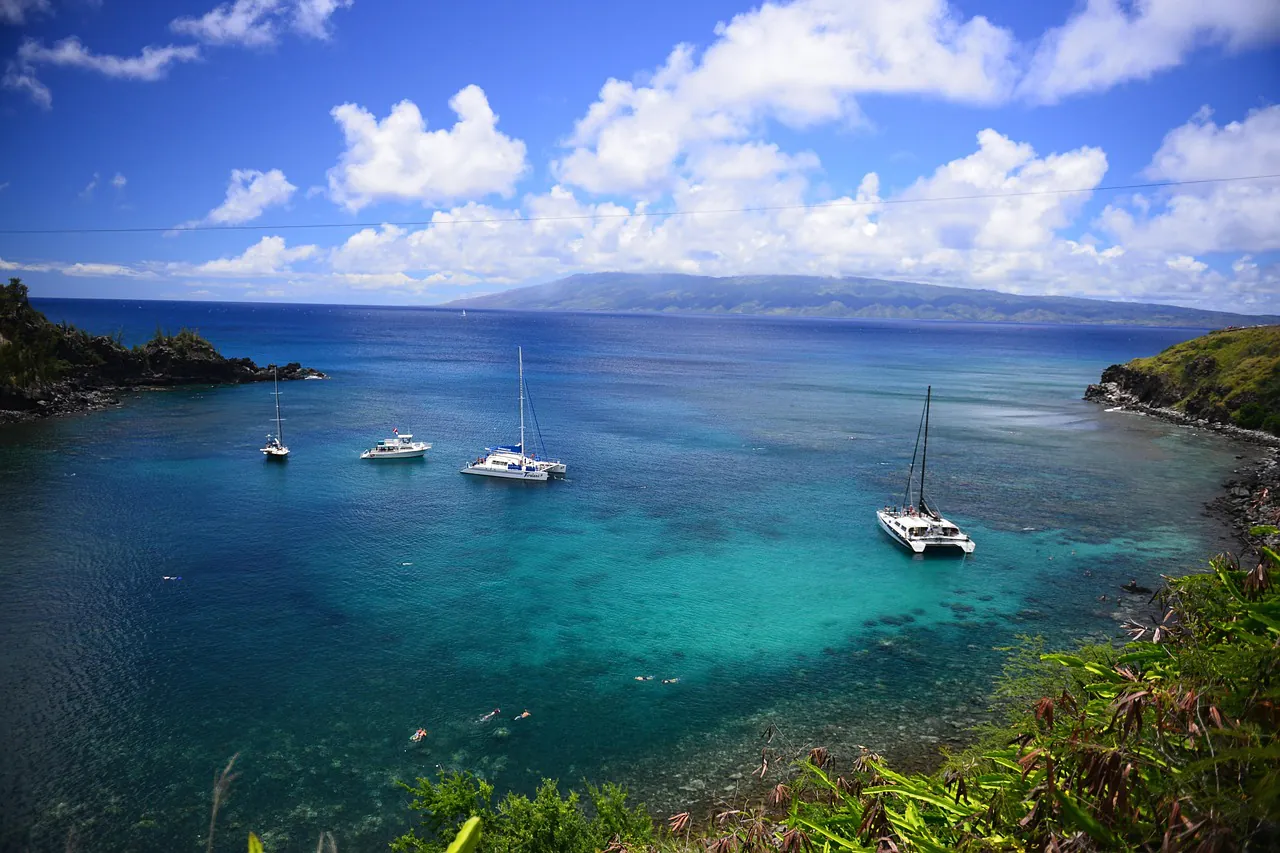
Check-In, Parking Fees and the Licence-Plate QR Trap
Check-in runs 30 to 45 minutes before departure. The earliest Maui operators check guests in at 5:45 AM and the latest boats return around 4:00 PM, which gives you a hard 10-hour envelope for the whole day. Bring your booking confirmation on your phone, wear your swimwear under your clothes, and carry a dry bag. Barefoot beach boarding at Maluaka and ladder climbs everywhere else mean flip-flops are pointless.
Māʻalaea parking deserves its own warning. The lot is managed by https://www.secureparkinghi.com/parking-location/maalaea-boat
Getting to the Harbours Without a Car
The Maui Bus is genuinely usable for a mid-morning departure and completely useless for a 6:30 AM raft. Route #10 (Kihei Islander) and Route #15 (Kihei Villager) connect Kahului to Māʻalaea Harbor Village at 300 Māʻalaea Road, then run down South Kīhei Road and out to Wailea Ike Drive. Fares are $2.00 per boarding or $4.00 for a day pass, cash only, and free for riders 55 and over, students 24 and under with ID, and Medicare cardholders. Schedules live on the https://www.mauicounty.gov/” target=”_blank” rel=”noopener”>County of Maui site.
Uber and Lyft do operate on Maui, but driver supply at 5:45 AM is thin and surge pricing is real. Schedule the ride the night before. Hotel shuttles are the quieter option: Aliʻi Nui offers a hotel shuttle add-on at $21.61, and Kai Kanani runs a complimentary shuttle from Wailea resorts. Both exist because the actual constraint is not distance, it is a 5:45 AM pickup.
Seasickness and the Channel Weather Window
Trade winds build across the Maui isthmus after 11:00 AM, often hitting 20 to 25 knots or more by early afternoon. That single fact explains the biggest tourist trap in Molokini logistics: the cheap afternoon “Captain’s Choice” trip. Book one of those $75 to $105 sessions and your captain may divert to Coral Gardens or Olowalu along the West Maui Pali without a refund, because every contract says snorkel locations are weather permitting and at the captain’s sole discretion. Operators divert rather than cancel. That is their business model, not a scam in the legal sense, but it is not what you paid for either.
Take motion-sickness tablets 30 to 60 minutes before boarding, not once you feel queasy. Eat something plain. Sit low and at the stern, keep your eyes on the horizon, and skip the coffee. I check the 8:00 AM report from the Snorkel Store or Boss Frog’s before every trip, and I would rather cancel a booking than spend forty minutes green around the gills. Our safety and shark facts page covers currents and snorkelling protocols in more depth.
Private Charter vs Shared Boat, and the Turtle Town Add-On
Shared catamarans suit families, first-timers, anyone prone to seasickness and travellers who want breakfast included. Rafts suit confident swimmers, photographers and people who value a short crossing over shade. A private charter, usually $1,800 to $3,500 for the vessel rather than per head, makes sense for groups of six to twelve, for divers running the Back Wall, or for anyone who wants to exploit the 10:15 to 11:45 AM turnover window when only one to three boats remain on the moorings.
Turtle Town is the standard second stop. After the 2.5-hour mooring cap, most four-hour trips run 15 to 20 minutes south to the Maluaka and Five Caves area to snorkel with green sea turtles. Budget an extra 45 minutes in the water and expect far murkier visibility than the crater. Do note that Molokini itself is not a guaranteed turtle site, whatever the brochure suggests. The combo departures from Kīhei, including this https://www.viator.com/tours/Maui/4-Hour-Molokini
Two rules shape those numbers. Under Hawaii Administrative Rules §13-257-3, no vessel may stay on a Molokini day-use mooring for more than 2.5 hours, which is why every operator builds a second stop into the itinerary. And the full rule text, last compiled in March 2024 and still enforced, is published on the https://dlnr.hawaii.gov/dobor/files
Māʻalaea vs Kīhei: Choosing a Departure Harbor
Māʻalaea Small Boat Harbor
Address: 101 Māʻalaea Boat Harbor Road (also signed 11-300 Māʻalaea Road), Wailuku. The name means “sea spray” in Hawaiian, which tells you most of what you need to know about the wind here.
This is the big one, and it is where roughly two-thirds of Molokini trips begin. Boats load by ramp rather than beach, so it is the friendliest choice for anyone with mobility limitations: Four Winds II at Slip #80, Calypso at Slip #82 and Pride of Maui at the North Loading Dock all take folding manual wheelchairs (motorised chairs cannot cross the pier gaps). Expect a 45 to 60 minute crossing on a stable twin hull. Full harbour details sit on the https://dlnr.hawaii.gov/dobor/maala
Kīhei Small Boat Ramp
Address: 2800 South Kīhei Road. Kīhei translates loosely as “the reddish tinge,” a nod to the soil, not the sunburn you will earn later.
Parking in the upper lot costs nothing. The lower lot is strictly trailer-only, and the ramp complex has three ramps, two docks, restrooms and cold showers. This is the home base for the fast raft fleet, including https://redlinerafting.com/” target=”_blank” rel=”noopener”>Redline Rafting and Blue Water Rafting, and the reason the crossing is only 15 to 20 minutes.
There is no shelter at the ramp. Wind funnels off Haleakalā at 6:30 AM and you will be standing in it, so pull on your layers in the car. Operators check in on the pavement, hand out fins, and launch on time.
There is a third option that not many visitors realise exists. Kai Kanani Sailing Charters checks guests in at 108 Wailea Ike Drive (free parking plus a complimentary shuttle from Wailea resorts) and then boards barefoot through knee-deep surf at 5400 Makena Alanui on Maluaka Beach. At 2.5 miles from the crater, it is the closest launch point on Maui and saves Wailea guests a 35-minute drive each way. Their sunrise departure is the only trip that reliably beats the morning armada.
Arriving on Maui: Kahului Airport (OGG), Cruise Ships and Drive Times
Kahului Airport sits at 1 Kahului Airport Road, Kahului, HI 96732. From baggage claim to the Māʻalaea car park is a 20 to 30 minute drive, and to the Kīhei ramp about 25 to 30 minutes. Both are straightforward on Highway 311 and Highway 30, with no mountain passes and no meaningful traffic before 6:00 AM.
Cruise passengers face a different problem. Kahului Harbor is 16 nautical miles from Molokini by sea, and no ship tenders out to the crater. You must book a shore excursion boat that departs from Māʻalaea or Kīhei, which adds a coach transfer of 25 to 35 minutes at each end. Check your sailing time honestly, because the 4:00 PM latest return from the crater leaves very little margin.
- Kahului Airport to Māʻalaea: 20 minutes, 8.5 miles via Highway 311 and Highway 30.
- Kahului to the Kīhei ramp: 25–30 minutes via Highway 311 and South Kīhei Road.
- Kīhei or Wailea to Māʻalaea: 20 minutes, mostly along North Kīhei Road.
- Kāʻanapali to Māʻalaea: 50–60 minutes down the Honoapiilani Highway (Hwy 30), longer if there is a brush fire or a closed lane.
- Nāpili or Kapalua to Māʻalaea: 65–75 minutes, which is a brutal pre-dawn drive.
- Wailea to Maluaka Beach: 10 minutes, the shortest transfer on the island.
A word on arrival day. Jet lag is the most underrated hazard in Molokini logistics. Booking a 5:45 AM check-in on the morning after a long-haul flight is how people end up nauseous before the boat even clears the breakwater. Give yourself 24 hours on island first, and confirm your dates against the seasonal wind patterns on our best time to visit Maui guide.
Every skipper at Māʻalaea will tell you the same thing: the channel is a morning animal. Before 11:00 AM it behaves. After that, the trade winds funnel across the isthmus at 20 to 25 knots and the Alalakeiki Channel turns into a washing machine. Book the early boat, and if you cannot face the early boat, book a South Maui raft instead of a Māʻalaea catamaran.
Vessel Selection: Large Catamarans vs Rigid Inflatable Rafts
Shared Catamaran (90–114 passengers)
Stable, shaded, ramp-boarded at Māʻalaea, and usually includes breakfast plus a deli lunch. The trade-off is volume: under the 8:00 to 10:30 AM window, between 12 and 15 commercial vessels can share the submerged moorings, putting 660 to over 1,100 snorkelers in the water at once. 67% of surveyed visitors report feeling crowded by boat density.
A deluxe half-day sail with a chef-prepared buffet runs in the region of €247 (~$269) per adult, and the https://www.viator.com/tours/Maui/Molokini-Deluxe-Snorkel-Excursion/d671-7978P11?mcid=42383&pid=P00271667&medium=api&api_version=2.0&campaign=molokinicratermauiorg” target=”_blank” rel=”noopener sponsored”>Molokini deluxe snorkel and sail is the version I send nervous swimmers on.
Rigid Inflatable Raft (12–24 passengers)
Faster, quieter and much closer to the water. Fifteen to twenty minutes from Kīhei, which means you are often first into the crater. In exchange you accept a vertical ladder climb, minimal shade, and firm restrictions: no pregnant passengers, no recent surgery, no chronic back or neck conditions, and a 300 lb weight cap on some vessels.
Budget roughly €132–€149 (~$143.93–$162) for a two-hour express and €182 (~$199) for a small-group coast and crater run. The https://www.viator.com/tours/Maui/Maui-Reef-Adventure-Tours-aboard-the-Ocean-Freedom-and-Reef-Explorer/d671-45301P1?mcid=42383&pid=P00271667&medium=api&api_version=2.0&campaign=molokinicratermauiorg” target=”_blank” rel=”noopener sponsored”>super raft small-group adventure is the one I book when friends visit and want the gin-clear version of Molokini with a dozen other people rather than a hundred.
Check-In, Parking Fees and the Licence-Plate QR Trap
Check-in runs 30 to 45 minutes before departure. The earliest Maui operators check guests in at 5:45 AM and the latest boats return around 4:00 PM, which gives you a hard 10-hour envelope for the whole day. Bring your booking confirmation on your phone, wear your swimwear under your clothes, and carry a dry bag. Barefoot beach boarding at Maluaka and ladder climbs everywhere else mean flip-flops are pointless.
Māʻalaea parking deserves its own warning. The lot is managed by https://www.secureparkinghi.com/parking-location/maalaea-boat
Getting to the Harbours Without a Car
The Maui Bus is genuinely usable for a mid-morning departure and completely useless for a 6:30 AM raft. Route #10 (Kihei Islander) and Route #15 (Kihei Villager) connect Kahului to Māʻalaea Harbor Village at 300 Māʻalaea Road, then run down South Kīhei Road and out to Wailea Ike Drive. Fares are $2.00 per boarding or $4.00 for a day pass, cash only, and free for riders 55 and over, students 24 and under with ID, and Medicare cardholders. Schedules live on the https://www.mauicounty.gov/” target=”_blank” rel=”noopener”>County of Maui site.
Uber and Lyft do operate on Maui, but driver supply at 5:45 AM is thin and surge pricing is real. Schedule the ride the night before. Hotel shuttles are the quieter option: Aliʻi Nui offers a hotel shuttle add-on at $21.61, and Kai Kanani runs a complimentary shuttle from Wailea resorts. Both exist because the actual constraint is not distance, it is a 5:45 AM pickup.
Seasickness and the Channel Weather Window
Trade winds build across the Maui isthmus after 11:00 AM, often hitting 20 to 25 knots or more by early afternoon. That single fact explains the biggest tourist trap in Molokini logistics: the cheap afternoon “Captain’s Choice” trip. Book one of those $75 to $105 sessions and your captain may divert to Coral Gardens or Olowalu along the West Maui Pali without a refund, because every contract says snorkel locations are weather permitting and at the captain’s sole discretion. Operators divert rather than cancel. That is their business model, not a scam in the legal sense, but it is not what you paid for either.
Take motion-sickness tablets 30 to 60 minutes before boarding, not once you feel queasy. Eat something plain. Sit low and at the stern, keep your eyes on the horizon, and skip the coffee. I check the 8:00 AM report from the Snorkel Store or Boss Frog’s before every trip, and I would rather cancel a booking than spend forty minutes green around the gills. Our safety and shark facts page covers currents and snorkelling protocols in more depth.
Private Charter vs Shared Boat, and the Turtle Town Add-On
Shared catamarans suit families, first-timers, anyone prone to seasickness and travellers who want breakfast included. Rafts suit confident swimmers, photographers and people who value a short crossing over shade. A private charter, usually $1,800 to $3,500 for the vessel rather than per head, makes sense for groups of six to twelve, for divers running the Back Wall, or for anyone who wants to exploit the 10:15 to 11:45 AM turnover window when only one to three boats remain on the moorings.
Turtle Town is the standard second stop. After the 2.5-hour mooring cap, most four-hour trips run 15 to 20 minutes south to the Maluaka and Five Caves area to snorkel with green sea turtles. Budget an extra 45 minutes in the water and expect far murkier visibility than the crater. Do note that Molokini itself is not a guaranteed turtle site, whatever the brochure suggests. The combo departures from Kīhei, including this https://www.viator.com/tours/Maui/4-Hour-Molokini