Maui Snorkeling Safety Tips for First-Timers
Maui Snorkeling Safety: The Direct Answer First
Four things send first-time snorkelers to Maui emergency rooms: exhaustion, panic, untreated sun exposure, and gear that does not fit. Sharks sit well down that list, and we deal with them properly on our Safety & Shark Facts page rather than reheating the argument here.
Now the part hardly anyone mentions at the booking desk. The average passenger on a Molokini Crater boat has never used a snorkel before. Not once. You will be floating inside a drowned volcanic crater beside a few dozen strangers who are all learning to breathe through their mouths at the same time. Between 8:00 AM and 10:30 AM, an average of 12 to 15 commercial vessels occupy the submerged moorings in that cove, which puts 660 to more than 1,100 snorkelers in the water at once. In one visitor survey, 67% of respondents said boat density alone made them feel crowded.
That figure is a safety fact, not a grumble about tourism. When 1,100 people share one bay, a crew of four cannot personally watch every mask. The skill that saves you is unglamorous: clear your snorkel, roll onto your back, float, breathe. Everything below builds towards it. So, is snorkeling at Molokini safe? Yes, in the same way that sea kayaking or skiing is safe. It rewards preparation and it punishes overconfidence.
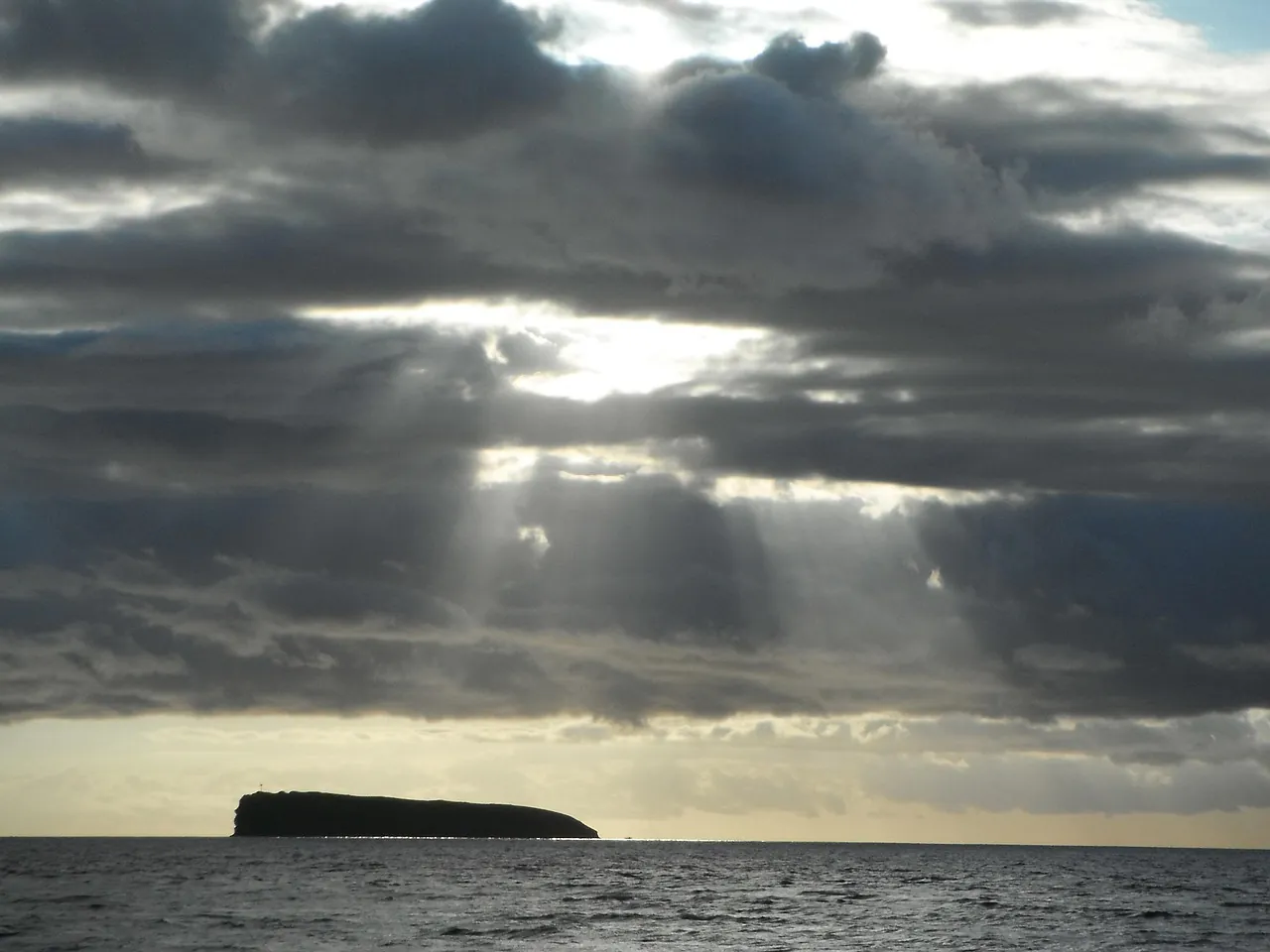
Read the 8:00 AM Snorkel Report Before You Do Anything Else
Maui publishes a free daily conditions report every morning at 8:00 AM, produced by The Snorkel Store and by https://bossfrog.com/” target=”_blank” rel=”noopener”>Boss Frog’s. It grades visibility and swell hazard on a 1 to 10 scale, split into Northwest, West and South Maui plus Molokini. If you learn one visitor habit on this island, make it this one.
Reading it takes ninety seconds. A 7 or above on the Molokini line means go. A weak South Maui score sitting beside a strong West Maui score tells you the Alalakeiki Channel is angry, and your captain will almost certainly divert the boat. That is not pessimism, it is pattern recognition. Crews check the same report before sunrise, and the numbers you read at breakfast are the numbers they are already acting on.
- 7 to 10 on Molokini: gin-clear water, light wind, normal trip. Book with confidence.
- 5 to 6: swimmable, hazier, more surge against the inner rim. Fine for confident swimmers, tiring for beginners.
- 3 to 4: expect a diversion to Coral Gardens or Olowalu, or a cancelled 2-hour express departure.
- Low South Maui plus high West Maui: the classic split that means the channel is rougher than the crater itself.
Timing Is a Safety Decision, Not a Preference
Trade winds funnel across the Maui isthmus after 11:00 AM and routinely reach 20 to 25 knots. By early afternoon the channel between Maalaea and Molokini becomes a washing machine, and that is precisely when the cheap afternoon departures are scheduled.
This is the famous afternoon diversion, and honestly it is a safety mechanism rather than a scam, even though it feels like one when you are standing on a boat heading north instead of south. Every operator’s contract carries the same clause: snorkel locations are weather permitting and at the Captain’s sole discretion. That sentence exists because rerouting to a sheltered coastal spot is safer than forcing a rough crossing with forty novices aboard. It is also why a midday express slot priced at $99.00 (about €91.00) is a gamble, not a bargain. If seeing the inside of the crater matters to you, book a departure that leaves before 10:00 AM.
| Hazard | Where it bites | Daily benchmark | What to do |
|---|---|---|---|
| Trade-wind swell | Alalakeiki Channel crossing | 20 to 25+ knots after 11:00 AM | Book a departure before 10:00 AM |
| Rip and sweeping current | Reef’s End and the outer Back Wall | Any day without a dedicated drift boat | Stay inside the protected inner cove |
| Snorkeler density | Inner cove moorings | 660 to 1,100+ people, 8:00 to 10:30 AM | Enter the water early, or after the 10:15 AM turnover |
| UV exposure | Back of neck, ears, calves | UV index 8 to 11 most of the year | Rash guard, SPF 50, reapply every 90 minutes |
| CO₂ buildup | Anyone in a full-face mask | Any valve-driven mask, any conditions | Two-piece silicone dry-snorkel mask only |
| UXO | Sealed seabed around the crater | Live WWII munitions still present | Never touch, report to 911 |
One statutory detail worth knowing: under https://dlnr.hawaii.gov/dobor/files/2026
Gear That Fits, or Gear That Drowns You
Mask fit is the safety issue nobody briefs you on. A leaking mask means constant clearing, and constant clearing means inhaled saltwater, and inhaled saltwater at 20 metres offshore produces panic faster than any current will. Fit beats brand every single time.
The Mask Fit Test
- Pull every strand of hair out of the seal. One stray fringe lets in a steady trickle.
- Place the mask on your face and inhale gently through your nose. If it holds without the strap, the seal is right.
- Do not overtighten. A cranking strap warps the skirt and creates the leak you were trying to prevent.
- Defog with spit or a drop of commercial gel, never with sunscreen. Sunscreen stings, and it also damages coral.
Fins, Dry-Tops and Rental Maths
A dry-top snorkel beats a bargain tube because the valve stops water washing down the barrel when the surface chops up. Fins are not optional in current, no matter how strong a swimmer you think you are. Rentals from Auntie Snorkel or The Snorkel Store run $9.50 to $10.00 for 24 hours (roughly €8.75 to €9.20) or $29.50 to $30.00 for a full stay, which is usually less than one week of a $30 to $45 PVC set bought on a whim. Maintained silicone simply works better than a bait-and-switch mask, and that margin is the difference between a relaxed hour and a miserable one.
The Full-Face Mask Ban and ROPE
Full-face snorkel masks are banned onboard https://sailtrilogy.com/” target=”_blank” rel=”noopener”>Trilogy Excursions and https://pacwhale.com/” target=”_blank” rel=”noopener”>PacWhale Eco-Adventures. Several other Maui operators follow the same policy, and they are right to. The condition at the centre of it is ROPE, or Rapid Onset Pulmonary Edema.
The mechanism is worth two sentences of your attention. Rebreathing your own exhaled air raises carbon dioxide in the mask, which can cause a blackout with no warning symptoms at all. Valve failure does the same thing faster. There is no warning cough, no gradual dizziness, no polite window in which to surface. A skintight plastic helmet that quietly poisons your breathing is not a beginner’s tool, and open ocean is not the place to test one for the first time. Bring or rent a standard two-piece silicone dry-snorkel mask and leave the gimmick at home.
The Boat Briefing: What to Listen For and What to Ask
Treat the safety briefing as content you are allowed to audit. A competent crew will always cover the mooring location and the swim perimeter, the order in which passengers enter and exit the water, how the head count works, the hand signals for OK, help, and I need to return to the boat, and exactly what to do if a current separates you from the vessel. If any of those items are skipped, ask. Nobody on the crew will think less of you for it.
Boarding realities are safety-relevant too, and this is where first-timers get caught out. High-speed rafts launching from Kihei Boat Ramp require climbing vertical ladders and are unsuitable for pregnant passengers, anyone with recent surgery, chronic back or neck conditions, or passengers over 300 lbs. Kai Kanani at Maluaka Beach loads barefoot through knee-deep surf, which is charming until you are carrying a dry bag. Travellers with mobility limitations should look at the ramp-boarded catamarans at Maalaea Harbor instead, though note that manual folding wheelchairs work better than motorised ones, as motorised chairs cannot cross the pier gaps.
Every skipper I have ever asked gives the same answer when I ask what actually kills people out here: panic, not water. So the job on your first snorkel is not to see everything. It is to stay bored and breathing for the first ten minutes, and then the reef does the rest.
Currents, Trade Winds and the Real Buddy Rule
The buddy system gets taught badly. Your buddy’s job is not to hold your hand or admire the same fish. Their job is to be within three metres of you, to agree on a turnaround signal before you get wet, and to make eye contact every sixty to ninety seconds. Two snorkelers watching each other will spot trouble long before a crew member scanning sixty heads from a swim step.
Rip currents are the hazard that catches strong swimmers, because they move you sideways rather than under, so it never feels dramatic. If the reef starts sliding past faster than it should, do not swim against it. Angle perpendicular to the flow, towards the boat or the shoreline of the cove, and let the current do the work you cannot. Molokini’s inner cove is sheltered by the crater rim itself, which is exactly why beginners belong there and not at Reef’s End or the outer Back Wall, where sweeping water in the Alalakeiki Channel demands a dedicated drift boat and a guide who knows the line.
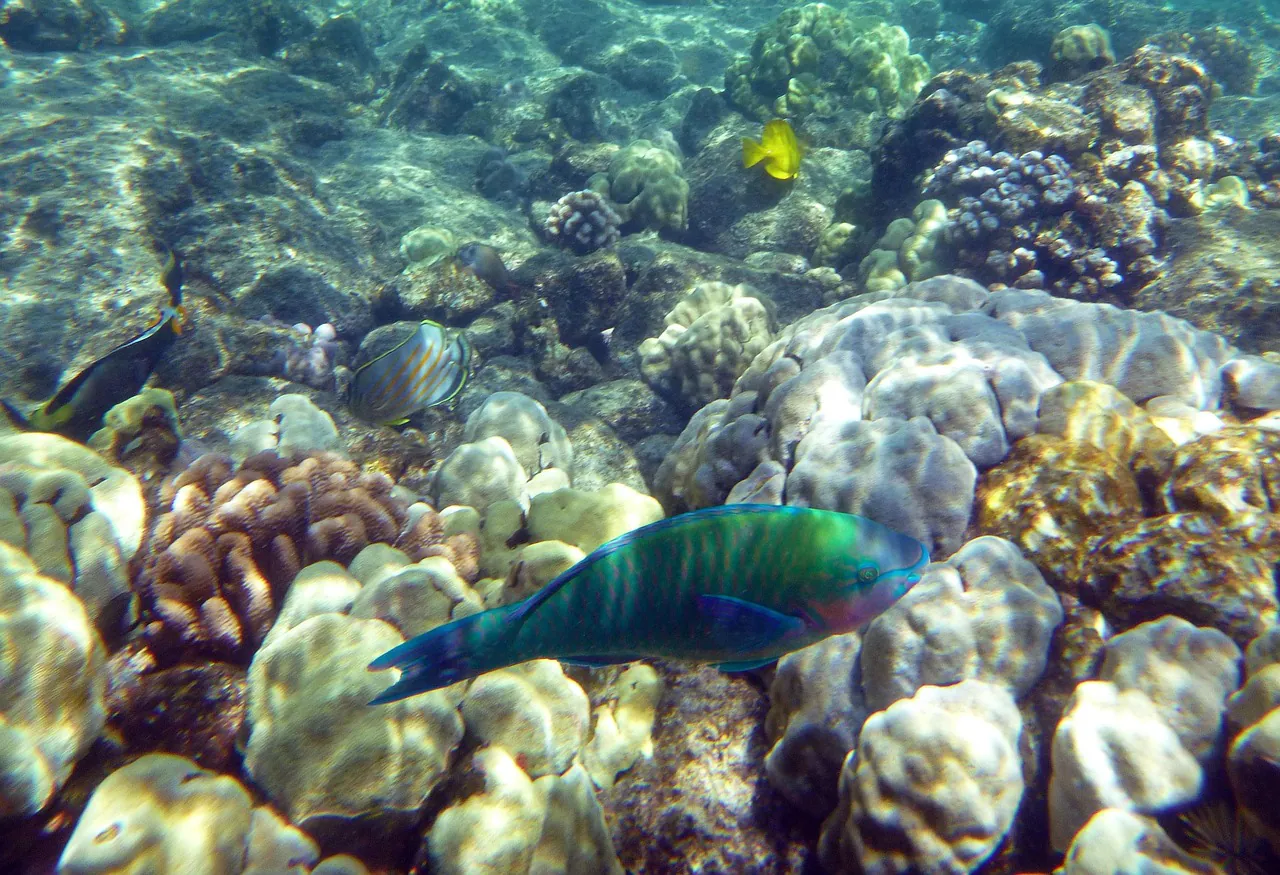
Sun, Seasickness and the Hazards Nobody Briefs You On
Sunburn is the most common injury on Maui snorkel trips and the least dramatic, which is why nobody takes it seriously. Hawaii’s UV index sits between 8 and 11 for most of the year, and it does not need a cloudless sky to work on you. Reapply every ninety minutes: the back of your neck, ears and calves are the three spots that burn while you float face down. Reef-safe mineral sunscreen also happens to be the only kind permitted in the sanctuary, and we explain why in our Hawaiian reef etiquette guide.
Seasickness ruins more Molokini mornings than rough water ever does. The Alalakeiki Channel crossing is short, but it is open ocean, and the catamaran motion on the way out is where stomachs turn. Take motion-sickness medication the night before and again an hour before departure, stay on deck with your eyes on the horizon rather than your phone, and eat something plain. Do not drink coffee on an empty stomach at 6:00 AM. Hydration matters equally: two litres of water before you board will do more for your comfort than any piece of gear in your bag.
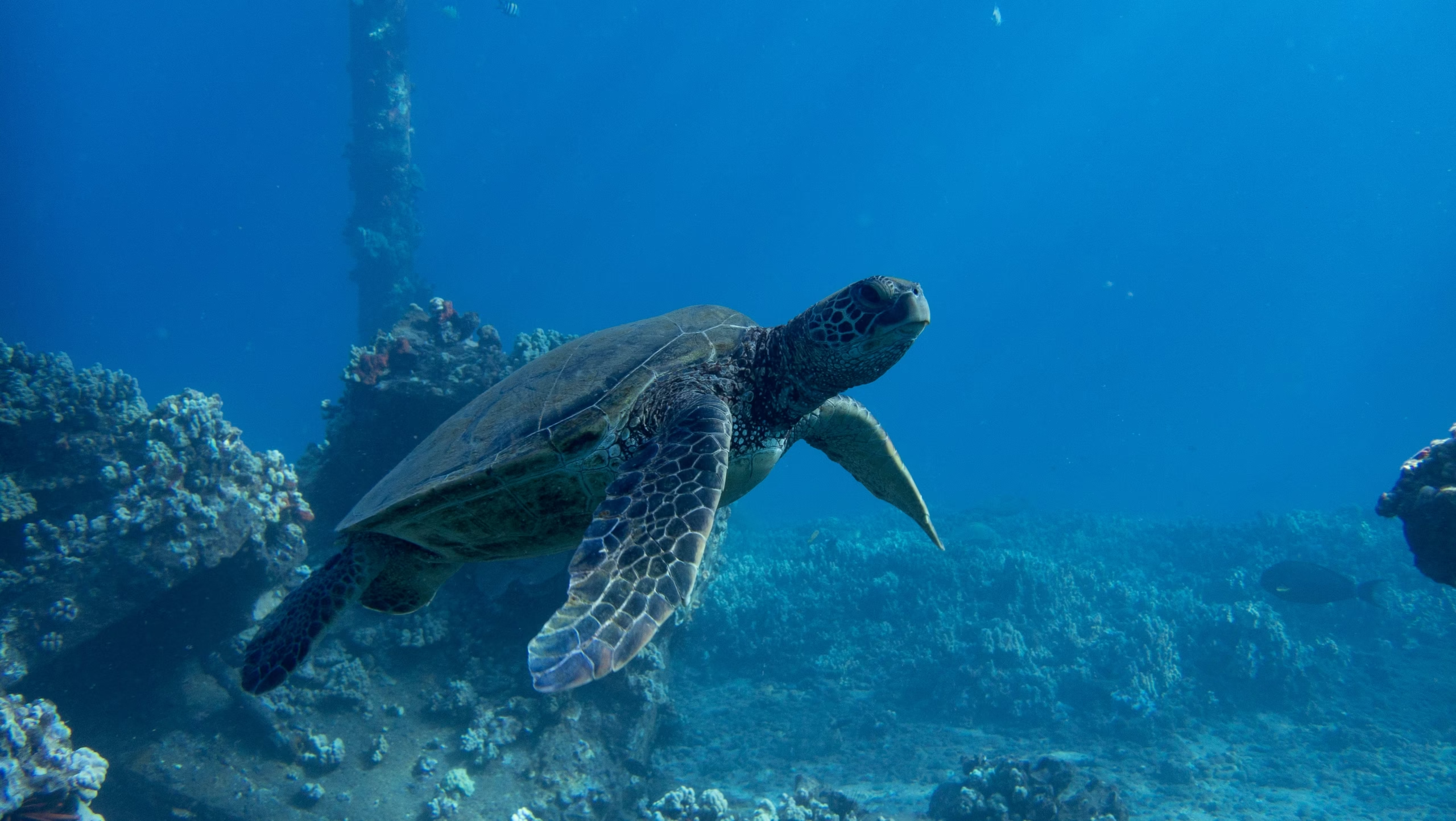
- Keep ten feet (about three metres) from every green sea turtle, and never block one from surfacing.
- Stand on sand or rock, never on coral. Even a light fin kick can break decades of growth.
- Never feed fish, never chase anything, and never handle an animal for a photograph.
- Keep your hands to yourself around eels and urchins. Most reef injuries are self-inflicted curiosity.
- Wear a rash guard rather than reapplying lotion in the water. Sunscreen residue harms the reef you came to see.
Unexploded Ordnance: The One Rule You Never Break
Molokini was used for military target practice in the mid-twentieth century, and live WWII munitions remain on the seabed around it. Not many visitors realise this before they drop into the water, and the objects can look oddly tempting from ten feet up, like a rusted cylinder or a finned pipe.
The Hawaii Department of Land and Natural Resources teaches a simple protocol known as the three R’s. Recognise something that looks like ordnance. Retreat without touching it. Report it to 911 and to the Department of Health HEER Office on 808-586-5815. That is the whole protocol. Do not photograph it, do not swim closer for a better look, and absolutely do not pick it up for a souvenir.
In-Water Self-Rescue Checklist
If You Start to Panic
- Roll onto your back and stop moving. Float, do not flail.
- Spit the snorkel out and breathe through your nose, out through your mouth.
- Wave one arm steadily overhead. That is the universal signal for help.
- If you have a weight belt on, ditch it. Nothing you are carrying is worth your energy.
- Recover for a full minute before you put the mask back on.
If the Current Takes You
- Do not swim against it. You will burn out in ninety seconds.
- Angle perpendicular to the flow, towards the boat or the cove wall.
- Inflate your snorkel vest if you have one, and stay face up.
- Signal the boat with a raised arm and keep watching the crew for acknowledgement.
- Once back aboard, tell the crew where you drifted. They use that information for the next group.
One last practical note before you go, and it is the dullest tip on the page. Maalaea Small Boat Harbor charges $1.00 per hour through https://www.secureparkinghi.com/parking-location/maalaea-boat-harbor/” target=”_blank” rel=”noopener”>Secure Parking Hawaii, cash is not accepted, and you pay by QR code using your licence plate. Buy six to seven hours even for a five-hour tour, because boats run late and tow trucks do not. Kihei Boat Ramp, meanwhile, offers free parking in the upper lot, with the lower lot reserved strictly for trailers. Sort the parking the night before, check the 8:00 AM report with your coffee, and the rest of your morning at Molokini takes care of itself.