Is Molokini Crater Actually Worth It? The Honest Split Verdict
Molokini Crater is worth it if you take a dawn departure or a small raft that can drift the outer wall. It is probably not worth it if your plan is a 10 a.m. sailing on a 100-passenger catamaran, or if the one thing you genuinely want from your holiday is a sea turtle. The reef at Molokini holds no turtles. You go to Molokini for gin-clear water and a drowned volcanic cone; you go to Turtle Town for the reptiles.
Around 300,000 people visit the crater every year, and they do not spread themselves evenly across the day. Between 8:00 AM and 10:30 AM, an average of 12 to 15 commercial vessels sit on the submerged moorings at the same time, putting 660 to more than 1,100 passengers in the water together. In a carrying-capacity study of the site, 67% of surveyed visitors said they felt crowded. That single figure explains why this page is about hours and boats rather than about reefs.
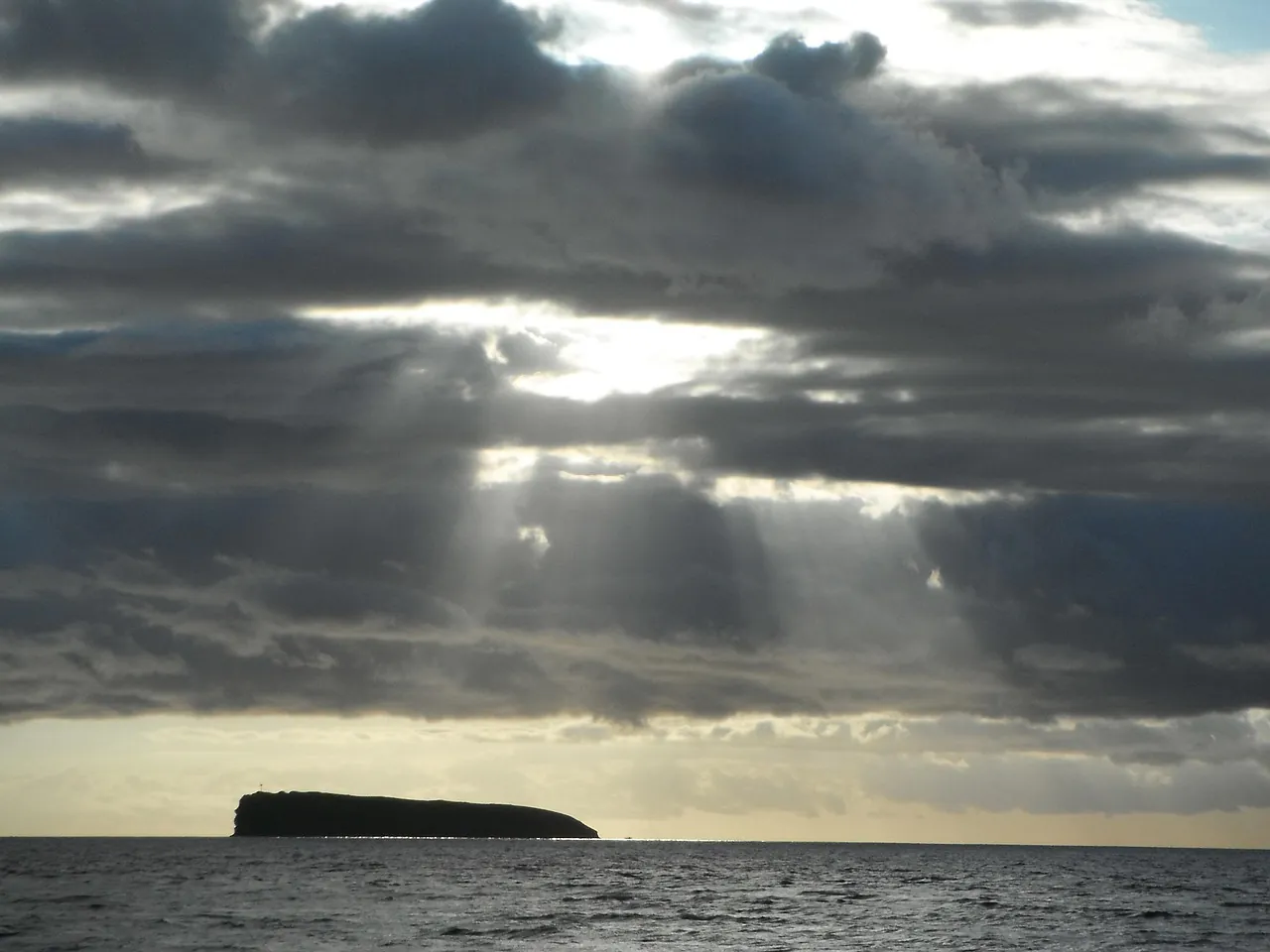
The crater never changes. The crowd does. Book the hour, not the destination.
Sheer numbers decide your day, not the geology. Get the timing right and Molokini delivers 100 to 150 feet of horizontal visibility inside a sheltered crescent. Get it wrong and you will spend a morning bobbing beside eleven other boats, apologising to strangers with your fins.
What a Molokini Day Actually Costs in 2026
The direct statutory admission fee for Molokini Shoal Marine Life Conservation District is $0.00, because there is no gate, no ranger booth and no ticket office on the water. Access is the expensive part. The crater sits 2.5 to 9.5 miles offshore in open channel, so you either own a boat or you buy a seat on a permitted commercial vessel, and 2026 rates run from $79.95 to $360.69 USD per person depending on hull, duration and catering.
| Tour Tier | Typical 2026 Price (per person) | Who It Suits |
|---|---|---|
| 2-hour express raft from Kihei Boat Ramp | $99.00–$147.00 (~€91–€135) | Crater only, 12–15 minute crossing, no lunch, no frills. Best value on the island. |
| 3.5-hour sunrise catamaran | $269.00–$299.00 | First boat in the crater, beach loading at Maluaka Beach. Serious photographers. |
| 5-hour catamaran with lunch | $159.95–$216.14 | Crater plus Turtle Town. Families, mixed-ability groups, waterslides. |
| 5.5-hour coastal combo | $193.80–$199.00 | Adds Kanaio Coast or La Perouse. More boat time, fewer people per site. |
| 2-tank scuba | $269.00–$288.62 | Certified divers chasing the Back Wall drift. Leaves Kihei at first light. |
| Luxury / deluxe yacht | $269.00–$360.69 | Small passenger counts, chef-prepared buffet, quieter rails. |
The Invisible Costs Most People Forget
- Parking at Maalaea Harbor: $1.00 USD per hour through Secure Parking Hawaii, paid by smartphone QR code or at one of six digital pay stations. There is no cash option. Buy 6 to 7 hours ($6.00–$7.00) for a 5-hour tour, or you may return to an empty parking space and a towing charge.
- Overflow parking: the Maui Ocean Center lot at 192 Maalaea Road runs $2.00–$3.00 per hour or $8.00 per day via ParkLinq, and it does not cover stalls inside the DOBOR boat harbour lot.
- Gear rental: roughly $30.00–$45.00 per week from independent shops such as Auntie Snorkel or The Snorkel Store, against $50.00–$70.00 at resort kiosks. Several operators include gear, so check before you rent twice.
- Crew gratuity: budget $10.00–$20.00 per person. It is not mandatory, but it is expected on a half-day charter.
Add it up honestly and a “cheap” $99 raft trip usually lands closer to $130 once parking, tip and a rash guard are factored in. That is still less than half the cost of the luxury tier, which is why the express boats sell out first in shoulder season.
Best Time of Day: The Three Quiet Windows
The best time to snorkel Molokini Crater is between 6:15 AM and 7:45 AM, or in the turnover gap between 10:15 AM and 11:45 AM. Everything else is arithmetic. Two rules create those windows: Hawaii Administrative Rules §13-257-3 caps every vessel at a 2.5-hour maximum stay on the day-use moorings, and §13-257-54 bars private recreational boats from vacant commercial moorings between 7:30 AM and 9:30 AM. The second rule exists to protect your snorkel morning from the private fleet, not to inconvenience anyone.
Window 1: The Pre-Armada Dawn
Arrive 45 to 60 minutes before the Maalaea catamarans finish their 9.5-nautical-mile crossing and you get the crater nearly to yourself. Kai Kanani’s Sunrise Deluxe Snorkel ($299.00) checks in at 5:45 AM at 108 Wailea Ike Drive, loads barefoot at Maluaka Beach and reaches Molokini in 15 minutes, which is why it is almost always the first catamaran inside. Island Style Diving / Maui Dreams Dive Co. ($269.00–$288.62) checks in at 6:10 AM at the Kihei Boat Ramp and puts the first scuba divers in the water. Redline Rafting and Blue Water Rafting both check in around 6:30 AM for 6:45 to 7:15 AM departures.
Window 2: The Late-Morning Turnover
The big Maalaea boats must vacate the crater by roughly 9:45 to 10:15 AM to reach their second stop and serve lunch before a noon return. That leaves a genuine quiet hour. For late risers, book Redline’s 9:45 AM ‘Later Risers’ express ($139.00 plus tax, 9:00 AM check-in), Kai Kanani’s 9:30 AM Signature Deluxe ($269.00), Makena Coast Charters’ 10:30 AM express ($99.00 on direct promo, 10:00 AM check-in) or Blue Water Rafting’s 10:30 AM ride ($132.30–$147.00). Expect one to three boats instead of twelve.
Window 3: Spatial Separation
When the inner cove (Subzone A) is rammed, the outer rim stays empty. The Back Wall, the Enenue corner on the eastern edge and the Kanaio Coast sea caves are unreachable for 100-passenger power catamarans, which cannot safely moor or drift there. Small rafts and dive boats run them instead. If you cannot get an early slot, buy the upgrade that takes you outside the crescent, as discussed in the snorkeling and diving guide.
My rule after eight years of mornings out there: if the check-in time on your booking has a “9” in it and it came from Maalaea, you have bought the crowd.
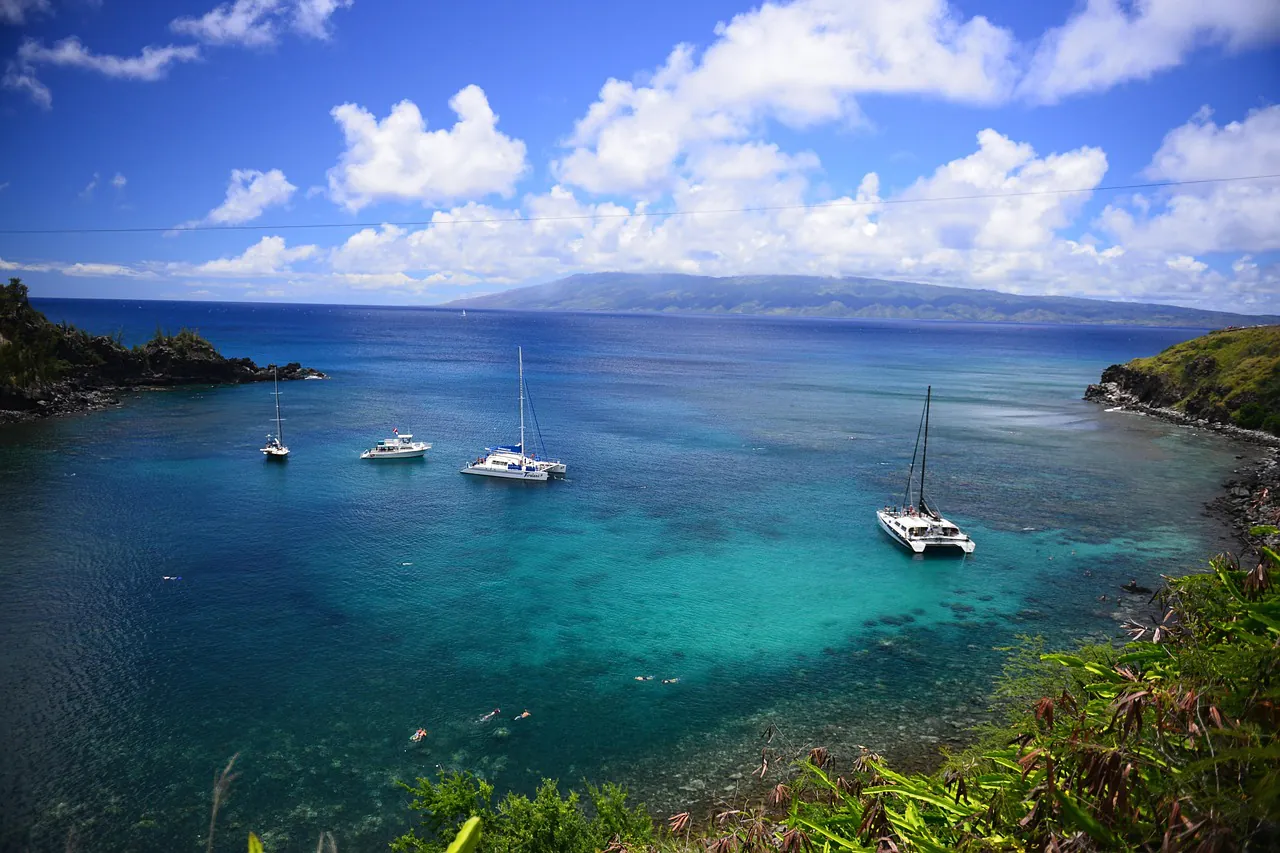
Best Season, Whale Months and the Trade-Wind Reality
December to April is humpback season, with January to March the peak. Boats heading to Molokini cross the Alalakeiki Channel, and between roughly November and April you will see blows, flukes and the occasional full breach without leaving your seat. Whale watching is included in the price of your crossing, not sold as an add-on, though it is never guaranteed.
The season that matters more for your booking is wind. Maui’s trade winds funnel across the isthmus and often hit 20 to 25 knots or more after 11:00 AM, which makes afternoon channel crossings genuinely rough. This is why afternoon Molokini tours get diverted so often. Check the 8:00 AM Maui Snorkel Report on the morning of your trip as a habit rather than an afterthought, and if you are building a whole week around water days, read our Maui snorkeling season guide before you lock in dates.
One local decode worth knowing: Molokini’s name is usually glossed as “many fine holes,” a reference to the islet’s pitted rim, and the full story of the name and the 230,000-year-old eruption that carved the crescent sits on the formation and history page. The short version is that you are swimming inside the throat of a tuff cone that stopped erupting long before humans arrived.
Half-Day Express vs. Five-Hour Catamaran vs. Coastal Combo
Choose by goal, not by price. If the crater is the entire ambition, book a two-hour express raft from the Kihei Boat Ramp and be back for lunch. If you want the crater and turtles in one morning, book a five-hour catamaran with a Turtle Town stop. If you want water that day-trippers never see, book the coastal combo that adds the Kanaio Coast or the back side of the crescent.
2-Hour Express Raft
Crater only, 12 to 15 minutes of boat time each way from Kihei, roughly 45 to 60 minutes in the water. Rafts sit low, so the ride is bouncier than a catamaran and you will get wet. No lunch, no slide, no shade to speak of. Pregnant passengers, anyone with recent surgery or chronic back and neck conditions, and passengers over 300 lbs are excluded on some operators. Best choice if you are short on time or prone to boredom at sea.
5-Hour Catamaran with Lunch
Two snorkel stops, hot lunch, shade, toilets and enough deck to move around. Departures from Maalaea cross 9.5 nautical miles in 45 to 60 minutes, which is your main time cost. Ideal for families, older swimmers and anyone who wants the day to feel like an event. Book the earliest sailing available, because a 5-hour catamaran leaving at 10:00 AM arrives with the armada.
Coastal Combo (5.5 Hours)
Molokini plus a second stop along the Makena or Kanaio coastline, sometimes with sea caves and lava arches on the itinerary. Longer on the water and usually on a smaller boat, so the group size stays sane. The trade-off is exposure: more open-coast travel means more chance of a rough ride and more chance the captain reshuffles the plan.
Here is the constraint that decides it for many people: large Maalaea catamarans cannot drift-snorkel the Back Wall. If the outer wall is on your list, you need a Kihei raft or a dedicated dive boat, full stop.
The Back Wall Upgrade Most Visitors Never See
Inside the cove, the reef floor sits at 30 to 80 feet and the coral reads muted because there is no real drop-off to pull your eye outward. Swim through the gap and the sea floor falls away to 300 to 360 feet, and the water turns from pale turquoise to a deep, slightly ominous blue. Fish hug the wall in layers. Visibility on a calm morning can pass 120 feet.
The catch is conditions. The Back Wall is a drift, not a mooring, and it only works when the morning is calm and the current is running predictably. The small-raft and dive crews at the Kihei Boat Ramp are the ones who run it: Redline Rafting, Blue Water Rafting and Makena Coast Charters all work the outer rim when the window allows, alongside the Kihei dive boats doing two-tank trips. Ask at booking whether the Back Wall is actually planned or merely “possible,” because those are different promises. Never drift Reef’s End or the outer wall without a dedicated drift boat and a guide who knows the Alalakeiki Channel.
Can You Snorkel Molokini Crater on Your Own?
No. You cannot snorkel Molokini on your own without a boat, and you cannot land on it at all. The 23-acre islet has no beach access, no trail and no public facilities, and unauthorised landing is a federal and state offence unless you hold dual written permits from the US Coast Guard and Hawaii DOFAW. There is also no anchoring and no free public mooring.
Private boat owners do visit, but under tighter rules than most realise. Hawaii Administrative Rules §13-257-54 (official DOBOR rule text) bars private recreational vessels from using vacant commercial day-use moorings between 7:30 AM and 9:30 AM, which is precisely the calmest, clearest part of the morning. On top of that, §13-257-3 caps every vessel at 2.5 hours on a mooring and prohibits overnight stays. So the DIY dream is real but narrow: an early transit, a short window, and no landing.
Hardly anyone books Molokini twice. The people who do are the ones who understood the mooring rules before they chose a departure time.
The Genuinely Free DIY Alternative
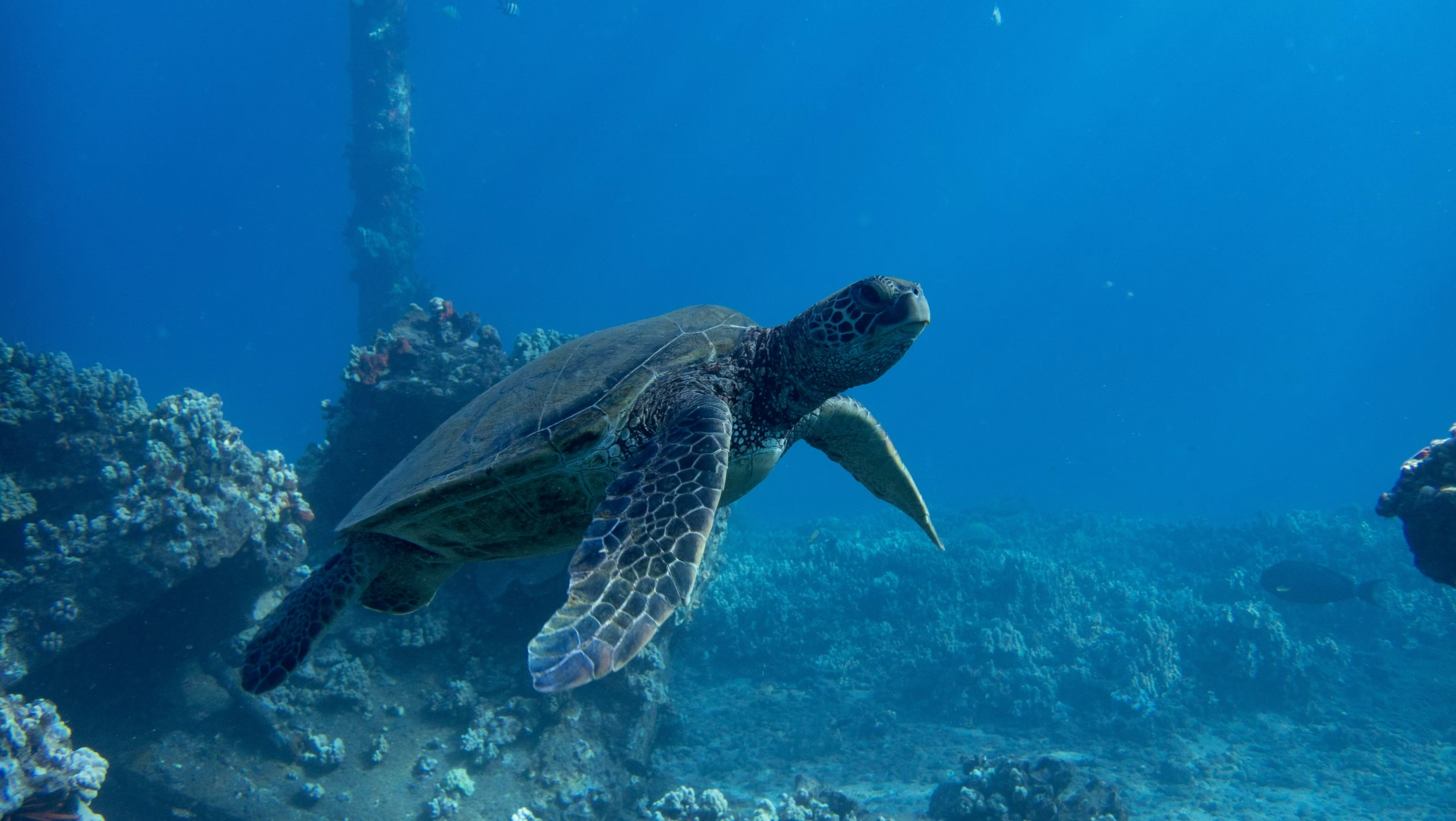
Maluaka Beach in Makena, which locals simply call Turtle Town, delivers green sea turtles from the shore for the price of parking. Swim out from the south end near the rocky point and hold still. The same reef is the second stop on $250-plus combo tours. Shore access is limited to the morning in practice, since the afternoon trade winds chop it up, and the surf entry is not beginner-friendly. If you want the full picture of what lives there, our marine life and Turtle Town guide covers the etiquette and the species list.
Free Shore Reefs That Beat Molokini on a Windy Day
When the channel is up and the boats are diverting, the shore reefs win. All of the following are free to enter, though some charge for parking.
- Maluaka Beach (Turtle Town): Makena. Best before 10:00 AM, turtle sightings close to shore, no facilities beyond a shower and toilets.
- Ulua Beach and Makena Landing: Wailea-Makena. Two easy entries, good coral cover, and a reliable fallback when the channel is closed to small craft.
- Kahekili Beach Park (Airport Beach): Kaanapali. Long reef, calm mornings, and it holds up reasonably well when South Maui is windy.
- Kapalua Bay and Honolua Bay: West Maui. Honolua is a marine conservation district, so no fishing and no touching anything, ever. It is also the best winter snorkel on the island when the north swell is small.
Gear strategy matters here. Independent shops such as Auntie Snorkel in Kihei and The Snorkel Store rent proper silicone mask and fin sets for around $30.00 to $45.00 a week, which is a fraction of resort kiosk rates and a different universe from the $1.50-a-day PVC masks used as promotional bait. Do not take that bait. Before you swim anywhere on this list, read our reef etiquette guide and keep mineral-only sunscreen on you at all times, since oxybenzone and octinoxate formulas are banned in Hawaii anyway.
Booking Timeline and What “Weather Permitting” Really Means
Book three to seven days ahead in shoulder season and two to four weeks ahead for December through April and June through August. Midnight departures on the express rafts and the sunrise catamaran are the first to sell out, because they are the only departures that reliably get you in ahead of the fleet.
Now the fine print, translated. Every Molokini contract contains phrase along the lines of “snorkel locations are weather permitting and at the Captain’s sole discretion.” What that means in practice is that a diversion is far more likely than a refund. If afternoon winds shut the channel, your boat goes to Coral Gardens or Olowalu and your ticket is honoured. Understand that before you pay, not after.
That is the real argument for booking through a platform with a free-cancellation window rather than a kiosk on South Kihei Road. If you decide at 5:30 AM that the swell is beyond your stomach, an aggregator booking can usually be cancelled inside 24 hours of the departure. Buying on-site or at a discount booth typically locks you in, and the deeply discounted vouchers come with strings attached. Compare the cancellation terms properly on our tickets and tours page before you commit.
Getting There: Maalaea, Kihei Ramp or Maluaka Beach
Maalaea Small Boat Harbor at 101 Maalaea Boat Harbor Road is the big-boat hub, 9.5 nautical miles from the crater and 45 to 60 minutes of crossing. Parking is metered at $1.00 per hour via the Secure Parking Hawaii system and cannot be paid in cash; the DOBOR harbour page lists the full rules. With the Lahaina harbour rebuild delayed into 2027, displaced West Maui fleets are still squeezing into Maalaea, so arrive early. The Kihei Boat Ramp at 2800 South Kihei Road is free to park in the upper lot and only 12 to 15 minutes from the crater, which is why the rafts and dive boats leave from there. Maluaka Beach, with Kai Kanani’s check-in store at 108 Wailea Ike Drive, offers free parking and a resort shuttle. Full driving times, bus options and check-in buffers live on the getting to Molokini page.
Who Should Not Book Which Boat
- Pregnancy, recent surgery, chronic back or neck conditions: high-speed rafts from the Kihei Boat Ramp exclude these passengers outright, and they require climbing vertical ladders from the water.
- Passengers over 300 lbs: Makena Coast Charters enforces a hard limit on raft trips. Check each operator’s stated maximum before you pay.
- Limited mobility: book a ramp-boarded catamaran at Maalaea Harbour instead, such as Four Winds II at Slip #80, Calypso at Slip #82 or Pride of Maui at the North Loading Dock. Manual folding wheelchairs only, as motorised chairs cannot cross the pier gaps.
- Unsteady on your feet: Kai Kanani loads barefoot through knee-deep surf at Maluaka Beach. Charming, but not for everyone.
- Full-face snorkel mask users: banned aboard Trilogy Excursions and PacWhale Eco-Adventures because of CO2 build-up and valve failure risk. Bring a standard two-piece silicone mask or use the boat’s gear.
If you are managing a heart condition, a fear of deep water or children under eight, the honest answer is a shallow inner-cove snorkel on a stable catamaran with life jackets available on deck. Our safety and shark facts page covers the current advice and the real risk numbers, and the visitor rules page sets out what operators are obliged to brief you on.
What to Pack (and Two Things to Leave at the Hotel)
- Mineral-only sunscreen: non-negotiable, and the law. Reapply between snorkel sets; the sun reflects off the water and burns the back of your legs first.
- Rash guard and a light windbreaker: the dawn crossing is genuinely cold, and the return leg is genuinely hot.
- Seasickness tablets, taken early: 45 to 60 minutes before boarding, not on the dock. Scopolamine patches need to go on the night before. For a 15-minute Kihei crossing you may not need anything; for the Maalaea run, take it seriously.
- Cash for the Maui Bus: $2.00 per single ride with a $4.00 day pass, useful if you would rather not drive back from Maalaea on a full stomach.
- A charged phone with a working data connection: Maalaea parking is QR-code metered. No phone, no payment, no car.
- A dry bag, a towel and a warm layer for the ride home. Boat decks at 7:00 AM are colder than you expect.
Leave the aerosol spray sunscreen behind, and leave anything valuable out of sight in your car if you are parking at isolated Makena or La Perouse trailheads. Break-ins at remote lots are the one crime pattern that reliably catches visitors out.
Red Flags: Diversion Traps, Cattle Boats and the $1.50 Bait
Most Molokini complaints on review sites trace back to one of five specific scenarios. Learn them now and you will not write the sixth.
- The afternoon diversion trap: a $75.00 to $105.00 USD “Molokini” tour booked for 1:00 PM, which by 11:00 AM is facing 20 to 25 knot trade winds and gets rerouted to Coral Gardens or Olowalu with no refund. The contract permits it. If Molokini specifically is your goal, book a morning departure only.
- The timeshare voucher: booths advertising buy-one-get-one or 60%-off tickets often require you to sit through a 90 to 180-minute presentation at a Westin, Marriott or Hilton property. You will trade a prime vacation morning for a discount you could have beaten online.
- The kiosk kickback: some activity clerks earn roughly $10.00 USD per ticket for steering customers onto certain high-capacity 100-plus passenger boats. Bigger boat means bigger crowd at the mooring, not a better reef.
- The towing sting: paying five hours of parking at Maalaea for a 5-hour tour, returning fifteen minutes late, and finding your rental gone. Buy six to seven hours. And remember that paying at the Maui Ocean Center lot does not cover DOBOR harbour stalls.
- Unexploded WWII ordnance: live munitions remain on the seabed around Molokini. Never touch a metallic cylinder or fin. Follow the DLNR “3 R’s”: recognise, retreat, report to 911 and the DOH HEER Office on 808-586-5815.
One more caution that locals keep repeating and visitors keep ignoring: skip a dawn or dusk swim at Sugar Beach near the Kealia Pond stretch between Maalaea and North Kihei, especially in murky water. That shoreline has tiger shark activity close to turtle nesting grounds, and it is not the place for a solo dip.
Everything else is straightforward. Pick the earliest check-in you can tolerate, bring a proper mask, expect a diversion as a possibility rather than a betrayal, and you will get the crater at its best. When you are ready to compare specific departure times and prices against your dates, work through the options on our Molokini tickets and tours hub, then sort out parking and check-in on the transport page.