Molokini Is Three Protected Places Stacked On Top Of Each Other
Most people step onto the boat believing there is one set of rules out there. There are four, and which one applies depends on whether you are floating above the water, drifting over the reef, or standing on the deck with a paper cup of coffee. The 23-acre islet is a State Seabird Sanctuary. The water surrounding it is the Molokini Shoal Marine Life Conservation District, a no-take zone. The mooring pins belong to a Day-Use Mooring Area. The rock, the channel and the traffic patterns sit under US Coast Guard navigation authority. Above the waterline and below it, the law reads quite differently.
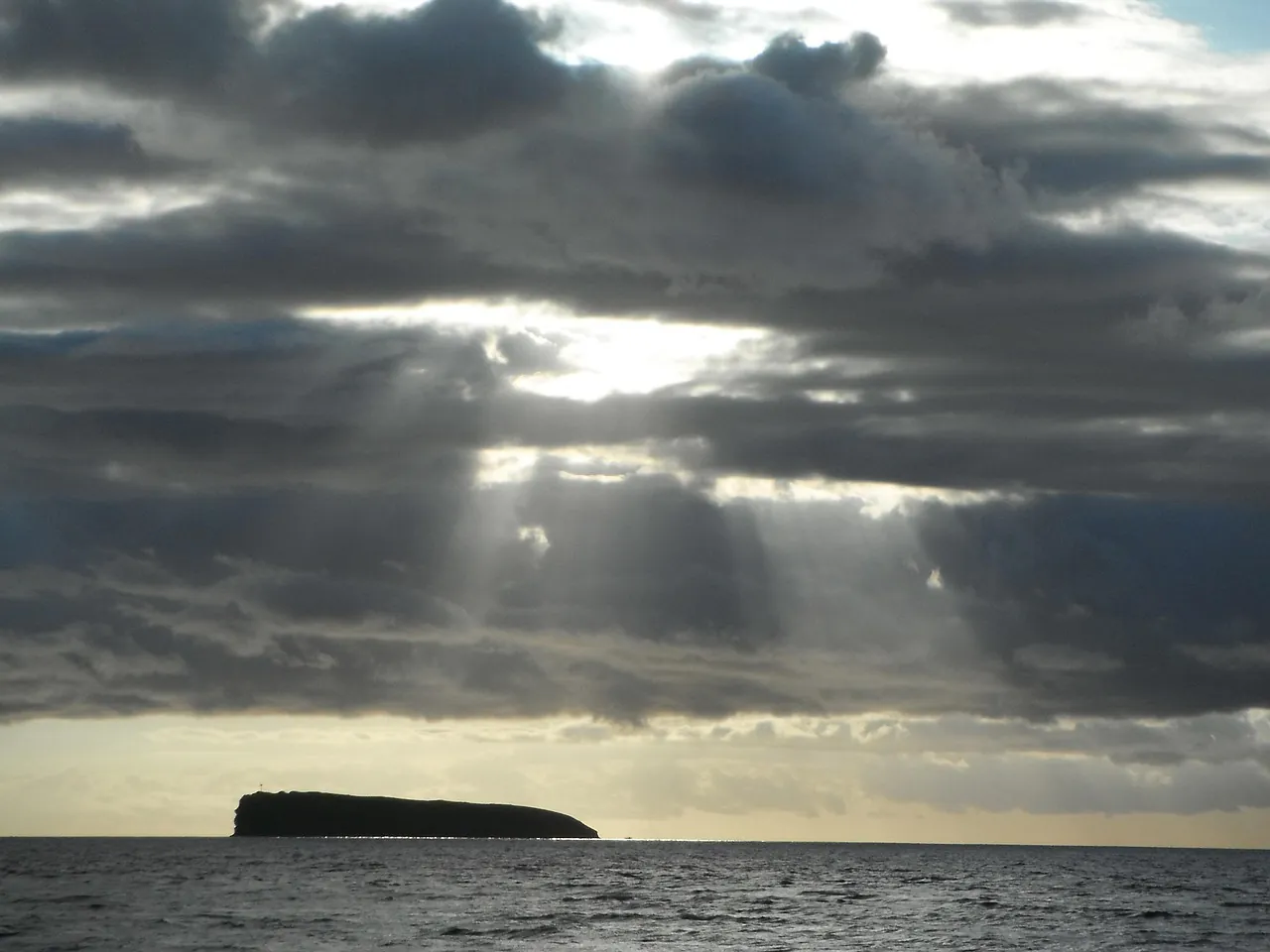
I have been in and out of this crater since 2017, and the most useful thing I can hand you is this: nobody is being difficult when they quote you a regulation. Molokini is small, shallow and visited by more than 300,000 people a year. Enforcement is not decorative, and the fines attached to the marine district rules are the sort that ruin a holiday budget.
DLNR Division of Aquatic Resources (DAR)
DAR writes the rules for the water and everything living in it, from the no-take protections to coral damage penalties. Their official division pages carry the current marine district language rather than a summary of it.
DLNR Division of Boating and Ocean Recreation (DOBOR)
DOBOR looks after the moorings, the anchoring ban, the day-use time limit and the morning lockout for private boats. The governing text lives in Hawaii Administrative Rules Chapter 13-257.
DLNR Division of Forestry and Wildlife (DOFAW)
DOFAW manages the islet itself, the wedge-tailed shearwater burrows, the bulbuls and the handful of native plants clinging to the rock. Landing here needs their written permission, plus a separate federal permit.
US Coast Guard
Federal navigation, safety zones and the landing permit requirements sit with the Coast Guard. Walk ashore without both permits in hand and you are not a curious visitor any more, you are a trespasser on federal and state land.
The Rule Everyone Gets Wrong: No Landing, No Wading Ashore, No Hike
You cannot land on Molokini. You cannot swim ashore, clamber onto the grey slope for a photograph, or walk the rim. There is no trail, no lookout, no sanctioned viewpoint from inside the crater, and the search term “Molokini crater hike” leads people somewhere they are not allowed to be. Anyone who tells you otherwise is either selling something or has confused the islet with a beach park.
The islet is a seabird sanctuary with fragile burrows cut into loose volcanic ash. A single pair of boots can collapse a nest chamber that took a season to dig. That is the honest reason for the ban, and it is why the penalty exposure runs through both state and federal channels rather than a friendly warning.
Landing legally requires dual written permits from the US Coast Guard and Hawaii DOFAW, granted for research, cultural practice or authorised maintenance. Fewer than a handful of groups hold them in any given year. If you want the crater wall in frame, you photograph it from the water, and I have written up the best angles and light on the Molokini photo guide. The name itself, usually translated as “many ties,” has a longer story that belongs on the formation and history page.
Captains get asked to “just drop us at the rocks” roughly twice a week. The answer is always no, and the crew is not being precious about it. They are protecting their permit, their livelihood and the birds.
What Is Actually Prohibited Below The Waterline
The Marine Life Conservation District designation is the strictest category Hawaii uses for water. Inside its boundary the usual beach rules stop applying, and the difference catches out plenty of visitors who are used to shoreline fishing back home.
- No take of any kind. No fish, no shells, no coral fragments, no black volcanic rock from the bottom. Souvenirs here are evidence.
- No fishing, line or spear. That covers commercial boats, recreational anglers and the spearfisher who thinks a quick pass is harmless.
- No feeding fish. Not frozen peas, not bread, not the breakfast pastry from the buffet. Hand-fed reef fish turn aggressive and stop grazing the algae that keeps coral clear.
- No standing, kneeling or pushing off the reef. Coral is a living animal with a limestone skeleton. One fin kick does decades of damage.
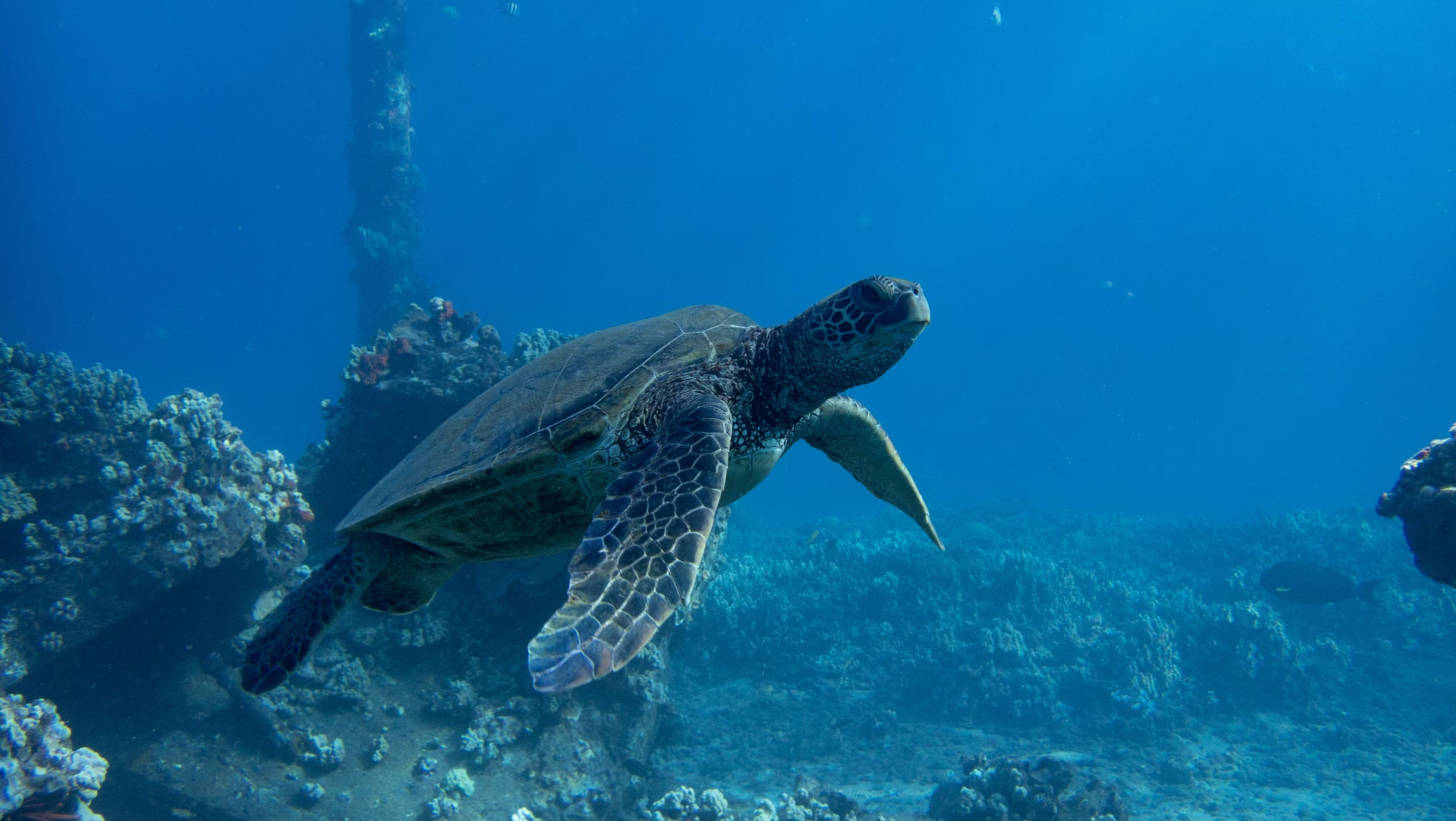
- No touching wildlife. Turtles, eels, octopus and reef fish are all covered, and yes, that includes the “just gentle” two-finger stroke people attempt in the shallows.
- No anchoring. Vessels use the installed pins and nothing else, which is precisely why your captain is circling while another boat finishes its slot.
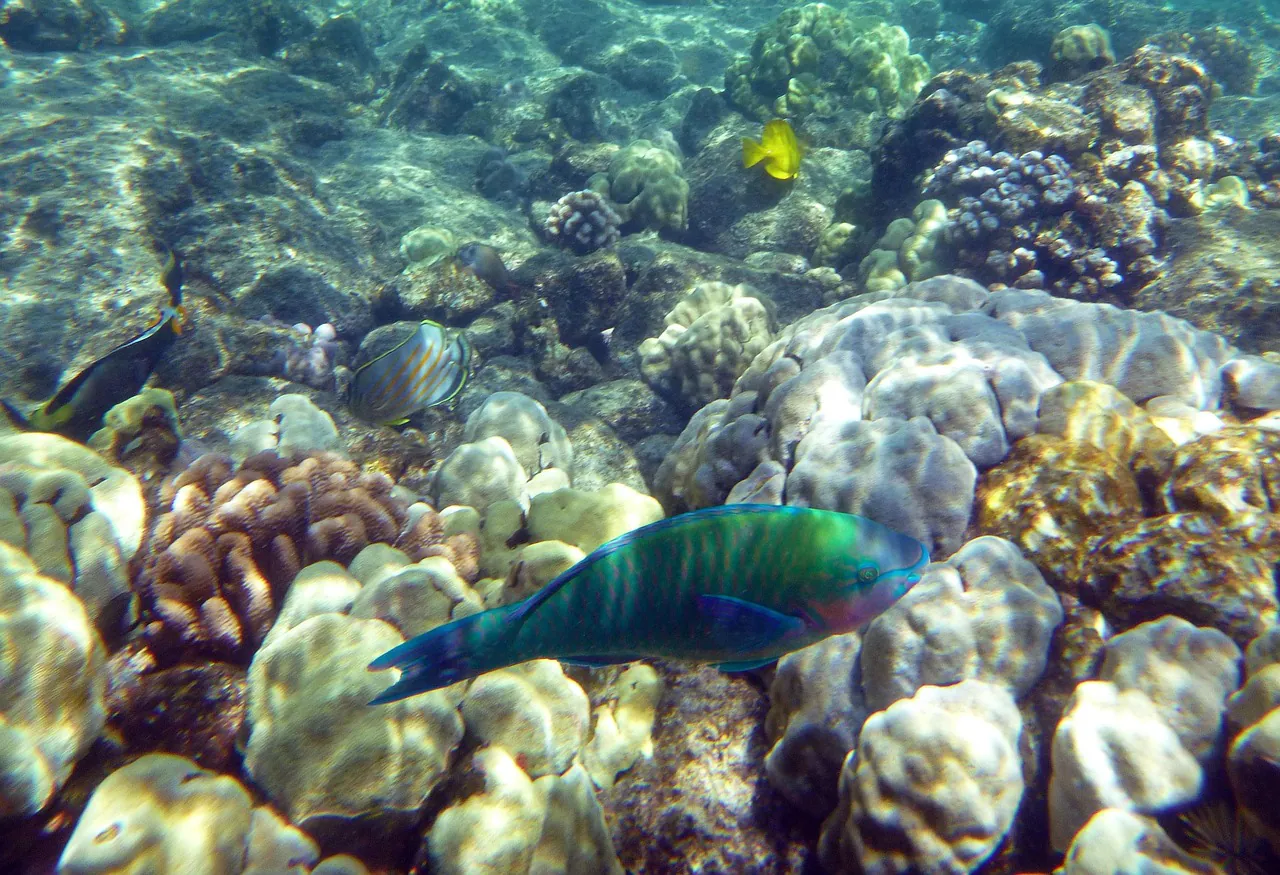
Compare that with a normal Maui beach, where pole fishing and gathering are often permitted along the shoreline. Molokini has been a no-take district for decades and the fish behaviour shows it. The reef is genuinely gin-clear and busy in a way that only an unfished reef looks, which is a privilege and also a responsibility. More on how the zones differ by depth and skill level sits on the snorkelling and diving hub.
The 2.5-Hour Mooring Clock, And Why Your Tour Moves On Even When You Don’t Want It To
Under HAR §13-257-3, a vessel may occupy a day-use mooring for a maximum of 2.5 hours, with no overnight stays permitted anywhere in the area. That single number explains most of the slightly abrupt behaviour you will notice on your trip: crews calling time early, the boat nudging off the pin, the second snorkel stop appearing on the itinerary.
| Rule | What it says | What you actually notice |
|---|---|---|
| Day-use mooring cap | 2.5 hours maximum per vessel | Your captain pulls off the pin mid-swim, sometimes with a countdown from the ladder |
| Overnight mooring | Prohibited | No sunset or night dives from a moored boat, no exceptions |
| Anchoring | Not permitted in the district | Crews “pick up a pin” instead, and may idle while waiting for a free one |
| Slow-no-wake zone | Enforced inside the cove | Rafts crawl in at tick-over speed so they do not swamp snorkelers |
| Commercial density | 12 to 15 vessels on the pins between 8:00 and 10:30 AM | Between 660 and 1,100 swimmers in the water at once; 67 percent of surveyed visitors report feeling crowded |
The 7:30 to 9:30 AM Lockout For Private Boats
Here is the rule that private boat owners get wrong most often. Under §13-257-54, recreational vessels are legally barred from using vacant commercial day-use moorings during the 7:30 to 9:30 AM window. That is peak wind, peak traffic and peak demand rolled into two hours, so the state simply reserves the pins for permitted operators.
Arrive before 7:30 or after 9:30, and the picture changes entirely. The late-morning turnover, roughly 10:15 to 11:45 AM, is the quiet hour most people never plan for, because the big Maalaea catamarans have to vacate and run to their second stop before lunch service. If you are self-skippering, that window is worth structuring your day around. If you would rather someone else did the thinking, the plan your visit guide covers timing properly.
Reef-Safe Sunscreen: What Maui Law Actually Says
Maui County’s sunscreen ordinance took effect in 2022 and permits only mineral active ingredients, essentially non-nano zinc oxide and titanium dioxide, in products sold on the island. The state-level ban on oxybenzone and octinoxate came earlier and still stands. Buy a chemical sunscreen in the hotel gift shop and you may be buying something the county no longer allows on its shelves, at roughly €18 to €32 (~$20 to $35) for a small bottle.
The maths is brutal. The same 3 oz mineral tube runs about €7 to €9 (~$8 to $10) at Costco or Target in Kahului, and the County of Maui publishes the current ordinance text if you want to check a label before you fly.
- Trilogy Excursions, Kai Kanani, Alii Nui and Sail Maui have all handed out complimentary mineral sunscreen on board, though stocks run out on busy mornings.
- Apply 20 minutes before you board. Spray sunscreen on a moving deck is a slick hazard and most crews will ask you not to.
- Rash guards beat lotion for coverage. A long-sleeve swim top removes the need to reapply across your back, which is the area most people miss.
Wildlife Distance Rules, In Plain Numbers
Federal and state protections overlap here, and the distances are not suggestions. Approach figures get revised, so treat these as the working numbers to plan around and confirm current guidance before you launch a private boat.
- Green sea turtles (honu). Keep roughly 3 metres / 10 feet, never touch, never ride, and never park yourself between a turtle and the surface. They need that breath.
- Hawaiian monk seals. NOAA asks for about 45 metres / 50 yards, on land and in the water. If a seal hauls out on a South Maui beach, that is resting time and not a photo opportunity.
- Spinner dolphins. The federal approach distance is 45 metres / 50 yards. Do not steer toward a pod, do not cut across it, and do not slip into the water ahead of it.
- Humpback whales, December through April. Vessels stay 100 yards / 90 metres away, and inside the Hawaiian Islands Humpback Whale National Marine Sanctuary the rules tighten further during calving season.
- Everything else. No feeding, no chasing, no handling. Eels bite, octopus ink, and urchins do not care how careful you think you are being.
Snorkel And Dive Certification Rules
Scuba at Molokini requires an open water certification, and operators verify it at check-in rather than taking your word for it. Bring the physical card or a digital equivalent, plus a logbook entry if your last logged dive is more than a year old. Shops running trips from the Kihei Boat Ramp, including Island Style Diving and Maui Dreams Dive Co., enforce a refresher requirement for divers who have been out of the water for about two years, and that refresher is usually done in a pool or on a shallow Maui shore dive before you go near the crater.
Not certified? You still have options. SNUBA and introductory dives run in the shallower water of Middle Reef, where a guide keeps hold of your rig and the depth stays modest. Nitrox is available as an add-on for certified divers on the deeper profiles, though it needs its own certification card and a fill fee. Snorkel-only passengers need no certification at all, just a briefing and a sensible respect for the fact that you are in open ocean, not a lagoon. The safety and shark facts page handles the current and marine life questions that new snorkellers always ask.
Gear Rules And The Full-Face Mask Ban
Full-face snorkel masks are banned aboard Trilogy Excursions and PacWhale Eco-Adventures, and honestly, the ban is well overdue across the industry. The design allows exhaled carbon dioxide to pool around your nose, and if the one-way valve fails, you are breathing your own air with no way to spit the mask out quickly. The documented consequences include rapid onset pulmonary edema, which is as serious as it sounds.
- Bring or hire a two-piece silicone mask with a separate dry snorkel. It clears in seconds and you can ditch it instantly.
- Check the strap before you get wet. A ratchet-style strap adjusted properly will not creep down your forehead mid-swim.
- Defog with a drop of baby shampoo or commercial defog, never spit through a rental mask you have to hand back.
- Skip the €1.50 masks advertised on South Kihei Road. They leak, the skirts are rigid PVC, and the rental desk will spend your morning upselling a €28 to €42 (~$30 to $45) silicone set instead.
Unexploded WWII Ordnance: The Rule Nobody Briefs Loudly Enough
Molokini was used as a naval bombing target, and live munitions remain on the seabed. The Navy’s explosive ordnance disposal teams detonated what they could in 1975 and again in 1984. On 19 August 2020, DLNR decided to leave the remaining ordnance in place rather than risk further clearance work on the reef.
So the rule is simple and absolute. If you see a metallic cylinder, a finned shape or anything that looks manufactured on the bottom, do not touch it, do not pose next to it, do not nudge it with a fin tip. Follow the three R’s: Recognise, Retreat, Report. Call 911 and the Department of Health’s Hazard Evaluation and Emergency Response office on 808-586-5815. Nobody has ever regretted reporting a suspicious object. Divers do regret picking one up.
The crater is not a backdrop for your holiday photos. It is a working seabird colony, a no-take fishery and a former bombing range, all within a 30-minute boat ride of Kihei.
Weather, Diversions And The Captain’s Sole Discretion Clause
Trade winds funnel across the isthmus and typically build from about 11:00 AM, hitting 20 to 25 knots and sometimes more. An afternoon crossing to Molokini in those conditions is miserable at best and unsafe at worst, which is why the cheapest afternoon departures so often end up somewhere else entirely.
“Snorkel sites are weather permitting and at the Captain’s sole discretion.” Read that line before you pay, because it is the one that decides whether you see the crater at all.
Operators divert to Coral Gardens along the West Maui pali or to Olowalu rather than cancel and refund, and that is a legal and standard practice. Those are genuinely good snorkel sites. They are also not Molokini, and a €70 to €97 (~$75 to $105) afternoon ticket that ends at Olowalu has not delivered what you thought you bought. Morning departures are the mitigation, full stop. Booking through a platform with a clear free-cancellation window gives you a little more room to manoeuvre if conditions turn, and the tickets and tours page explains how the different booking routes compare on that front. For what to expect on the ride out, see the transport and harbour guide.
What Happens Onboard: Briefings, Buddy System And Roped Perimeters
Every permitted operator runs a safety briefing before anyone gets wet, and it is not box-ticking. Listen to the part about the swim boundary, because the roped perimeter is there for a reason and crews do enforce it.
- Flotation belts and life vests are available on every commercial boat. Take one if you are not a confident swimmer, and take one anyway on a choppy morning.
- Head counts happen before and after every swim. If you slip back to the head or the shade deck, tell a crew member so nobody is searching the water for you.
- Buddy system unless you are on a guided snorkel. Pair up at the briefing, not halfway down the ladder.
- No alcohol before entering the water. Most boats stop serving once snorkelling begins, and the ones that do not are the ones you should avoid.
- Ladder etiquette: one person at a time, fins off in hand, and never stand directly under someone descending.
The 8:00 to 10:30 AM crush is the practical reason all of this matters. With 12 to 15 vessels on the pins and over a thousand people in the water, a roped perimeter is the only thing keeping swimmers out of the boat lanes. If you want a calmer briefing, a quieter reef and a captain who has time to point out an octopus, book the earliest South Maui departure or the late-morning slot after the catamarans have gone. Then check the current conditions before you commit, because the wind forecast on the day decides more than any itinerary does. More on reef etiquette beyond Molokini sits in the Hawaiian reef etiquette guide, and the marine life hub covers what you are likely to see once you are in.