Everybody asks me the same handful of things at the Kīhei Boat Ramp. I have lived in Kīhei since 2017, when I traded London drizzle for trade winds and a marine biology internship, and I still get stopped in the car park with a snorkel mask in one hand and a coffee in the other. How deep is it? Are there sharks? Can I just swim out there myself? Fair questions, all of them, and most of the answers are shorter than people expect.
So this page is my standing answer sheet. Every question below opens with the blunt answer, then the detail that actually matters. Prices are 2026 rates in US dollars, with a rough euro conversion for the European half of my inbox. Molokini Crater is a boat-only destination roughly 2.5 miles off Makena, and the boat, not the crater, dictates the quality of your morning.
Molokini is not a beach day. It is a boat day, and the boat decides the weather, the crowd and the timetable before you even step aboard.
Jump to the question you actually came for:
- What is Molokini Crater? · depth · Hawaiian meaning · last eruption
- Cost · distance and boat ride · how to visit · DIY snorkelling
- safety · sharks · turtles · best time of day · is it worth it
- red flags and tourist traps
Molokini Crater Quick Reference
Numbers first, opinions second. This table is the one I send to friends before they book anything.
| Feature | Detail | What it means for you |
|---|---|---|
| Location | 2.5 miles (4 km) southwest of Maluaka Beach, Makena | 15-minute ride from South Maui; 45 to 60 minutes from Māʻalaea |
| Size | 23-acre islet, 0.4 miles across, 161 ft at its highest point | Smaller than photos suggest, and uninhabited |
| Inner cove depth | 10 to 80 ft (3 to 24 m) | Most of the cove is deeper than beginners assume |
| Outer Back Wall | 300 to 360 ft vertical drop | Advanced divers only, drift boat required |
| Protection | 77-acre Marine Life Conservation District plus State Seabird Sanctuary | No landing, no anchoring on coral, no taking anything |
| Admission fee | $0.00 (€0.00) | You are paying purely for transport, crew, gear and food |
| Tour price range | $79.95 to $360.69 (≈€74 to €332) per person | Median 5-hour catamaran runs $199 to $219 |
| Mooring limit | 2.5 hours maximum per vessel, no overnight stays | Sets the pace of every commercial tour |
| Busiest window | 8:00 AM to 10:30 AM, 12 to 15 vessels, 660 to 1,100 people | 67% of surveyed visitors called it crowded |
| Quiet windows | 6:15 to 7:45 AM, and 10:15 to 11:45 AM | Book around these and the crater feels like yours |
| Annual visitors | Over 300,000 | Yes, it is famous. Yes, timing is everything. |
Morning Calms vs Trade Winds: The One Decision That Matters
Dawn Departures (5:45 to 7:00 AM check-in)
Glassy channel, first boat in the crater, and the best light of the day. Kai Kanani’s Sunrise Deluxe at $299.00 (≈€275) loads barefoot at Maluaka Beach and reaches the mooring in 15 minutes. Redline Rafting and Blue Water Rafting leave the Kīhei ramp around 6:30 AM. You will be cold on the ride out. Bring a fleece.
Late Morning and Afternoon
Sleep in and target the 10:15 to 11:45 AM turnover slot, when the big Māʻalaea catamarans have already left for Turtle Town. Makena Coast Charters runs a 10:30 AM express at $99.00 (≈€91). After about 11:00 AM, trade winds funnel across the isthmus at 20 to 25 knots, so afternoon trips carry real diversion risk. More on that under red flags.
Frequently Asked Questions About Molokini Crater
What is Molokini Crater, in one paragraph?
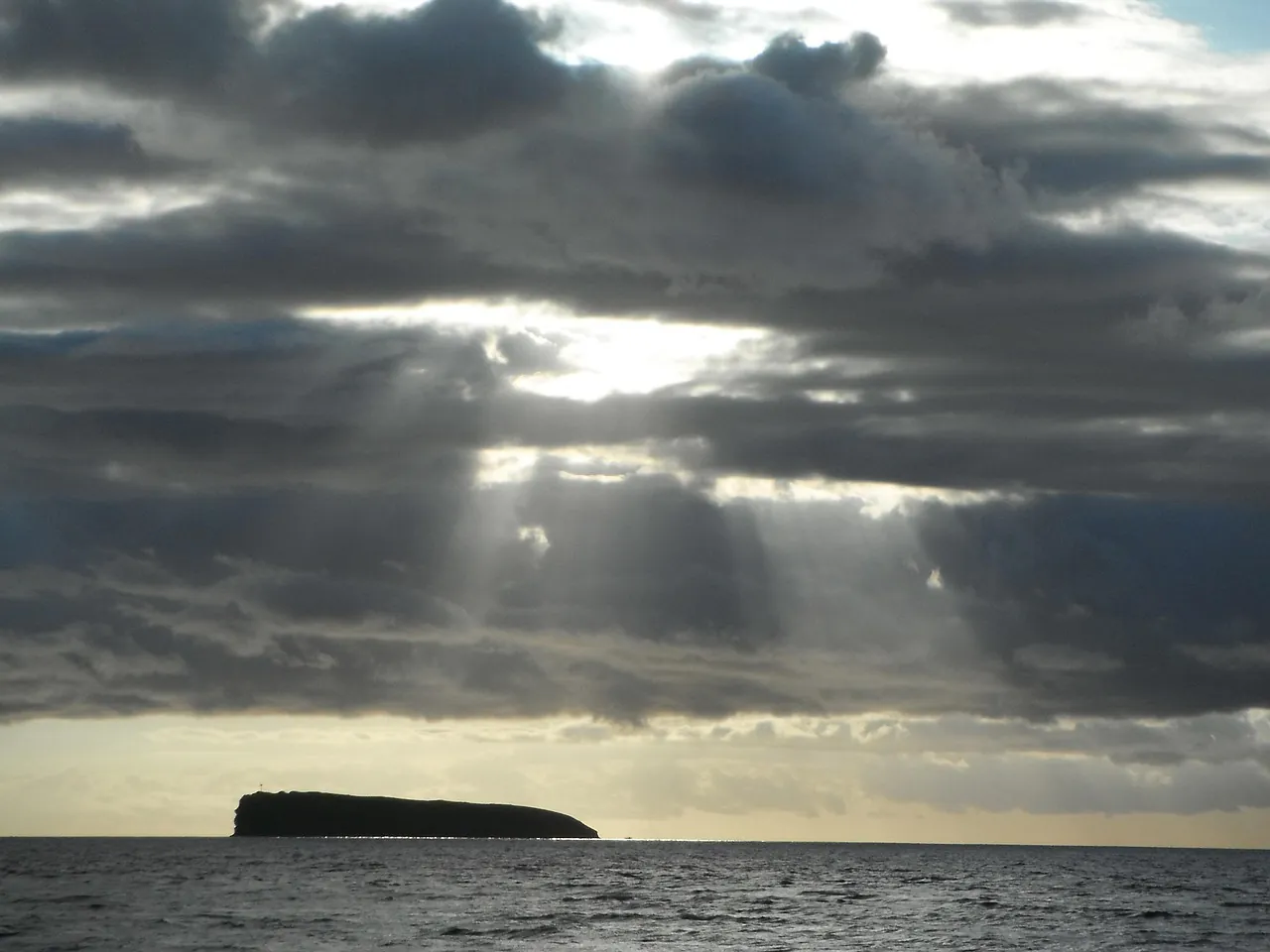
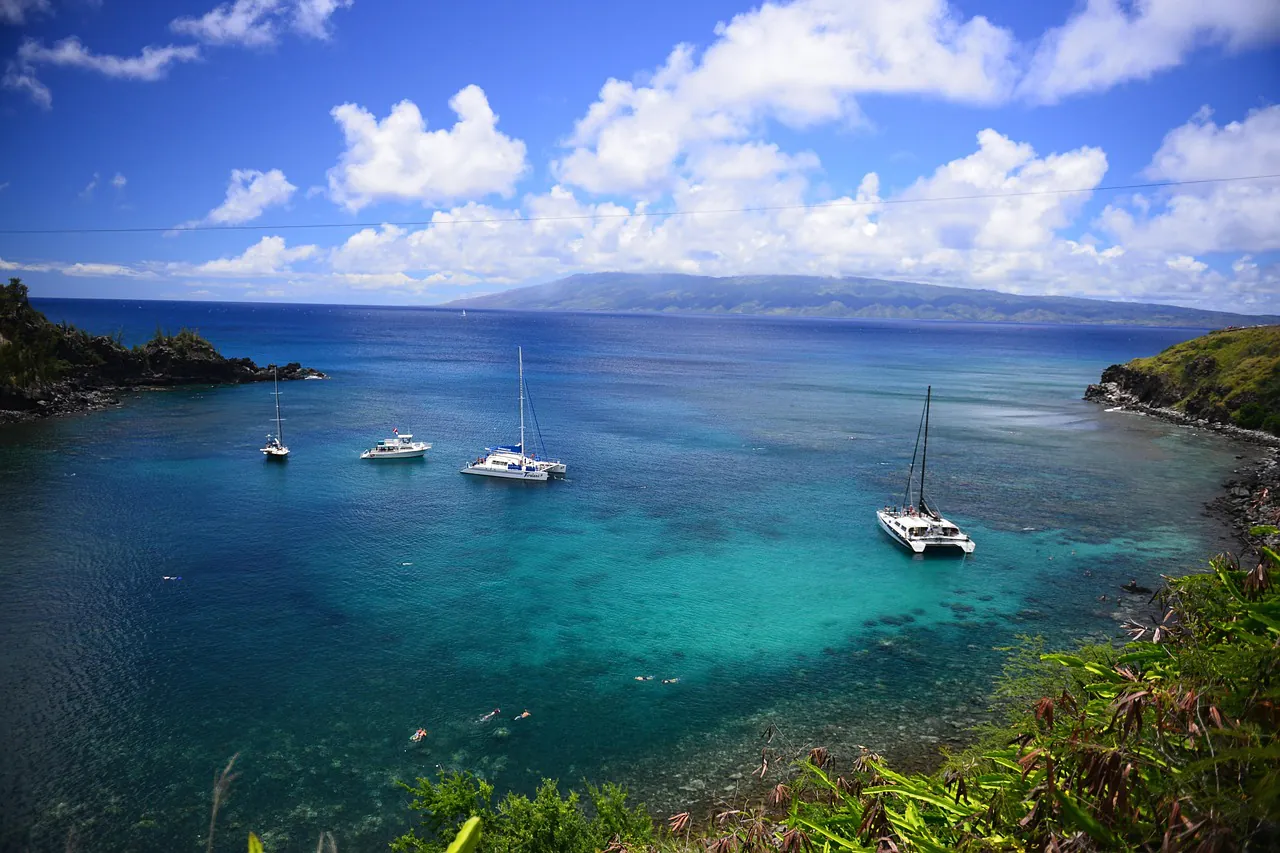
Molokini is a partially submerged volcanic caldera about 2.5 miles off Makena, and one of only three such craters on Earth. The crescent islet covers 23 acres, measures roughly 0.4 miles across and rises 161 ft, with the rest of the rim lying underwater. The surrounding 77-acre Marine Life Conservation District is also a State Seabird Sanctuary, uninhabited and with a rim owned by the US Coast Guard. Nobody lives there, nobody lands there, and that is precisely why the water looks the way it does. For the geology and the cultural layers, read my formation and history guide.
Is snorkelling at Molokini Crater safe?
Yes, provided you follow your operator’s briefing, and there has never been a recorded shark fatality at Molokini itself. The inner cove is sheltered from swell on most days, which is why it works for nervous first-timers and children. Skippers run a head count before and after every swim, life vests are available on the raft tours, and the buddy system is non-negotiable on the outer sites. Divers on the Back Wall need the 20-month certification rule respected, and that means a logged open-water qualification plus a genuine comfort level in current. My full safety and shark facts page covers currents, colours and gear myths in detail.
How deep is Molokini Crater?
The inner cove runs 10 to 80 ft (3 to 24 m), while the outer Back Wall drops vertically from 300 to 360 ft. Snorkellers and new divers stick to Middle Reef at 10 to 50 ft, Tako Flats at 20 to 80 ft, or the Enenue side at 15 to 60 ft. Scuba trips push deeper: Shark Condos sits at 130 ft, and the Edge of the World is a 150 ft ledge that plunges past 250 to 300 ft. The word “shallow” is relative here, honestly. Most of the cove is deeper than visitors picture, and the far side slips out of sight quickly. My snorkelling and diving guide maps each zone by skill level.
What does “Molokini” mean in Hawaiian?
Molokini translates as “many ties,” a reference to the cords and offerings in the Pele and Molokini moʻolelo. In the story, the goddess Pele severed a rival’s body: the head became Puʻu ʻŌlai, and the torso became the crater we now call Molokini. Say it Moh-loh-KEE-nee, with the stress on the third syllable and no hard “k” at the end. It is a Hawaiian place name first and an activity booking second, so I use it properly on every page, including this one on the crater’s formation.
When did Molokini last erupt, and how was it formed?
Molokini erupted roughly 230,000 years ago as a phreatomagmatic tuff cone on Haleakalā’s southwest rift zone, and it has not erupted since. The original cone likely stood around 500 ft above sea level before wave action breached the northern rim and the sea flooded the bowl. It is one of seven volcanoes linked to the prehistoric landmass of Maui Nui, and only three partially submerged calderas like it exist anywhere on the planet. You can walk the whole timeline in the formation and history piece.
How far is Molokini Crater from Maui, and how long is the boat ride?
The crater sits 2.5 miles (4 km) from Maluaka Beach, giving a 15-minute boat ride from South Maui, and 9.5 nautical miles from Māʻalaea Harbour, which takes 45 to 60 minutes. Here is how the departure points compare:
| Departure Point | Approximate Distance | Crossing Time |
|---|---|---|
| Maluaka Beach (Kai Kanani) | 2.5 miles | 15 minutes |
| Kīhei Boat Ramp | 3.5 to 4 miles | 20 to 25 minutes |
| Māʻalaea Harbour | 9.5 nautical miles | 45 to 60 minutes |
| La Perouse Bay | 3 to 4 miles | 15 to 20 minutes |
| Kahului / OGG Airport | 14 to 16 miles by road plus crossing | 90 minutes total |
| Lahaina | 12 to 14 nautical miles | 60 to 75 minutes |
| Lānaʻi | 18 to 20 nautical miles | 90 minutes or more |
Shorter crossings mean more time in the water and less time lurching through the channel. That is the whole argument for South Maui departures, and it is why I book them every time. The transport hub unpacks parking, check-in windows and seasickness planning.
How do you get to Molokini Crater?
You reach Molokini by permitted commercial tour boat or private vessel only, because there is no shore access, no ferry service and no pier. Four hubs run the trips: Maluaka Beach, where Kai Kanani beach-loads through knee-deep surf; the Kīhei Boat Ramp at 2800 South Kihei Road, where the fast rafts board from the ramp; Māʻalaea Small Boat Harbor at 101 Māʻalaea Boat Harbor Road, the catamaran hub and the most accessible option for mobility limitations; and Lahaina, still limited while harbour reconstruction continues. Check-in runs from 5:45 AM at the earliest to about 2:00 PM for afternoon boats. Ramp boarding means climbing a vertical ladder; beach loading means barefoot wading. Neither suits everyone, and the transport guide breaks down which is which. When you are ready to lock a date, compare tour options and prices here.
How much does it cost to go to Molokini Crater?
Molokini tours cost between $79.95 and $360.69 USD (≈€74 to €332) per person in 2026, with the median 5-hour catamaran sitting at roughly $199 to $219. There is no statutory entry fee: the Marine Life Conservation District charges $0.00, so every dollar you spend buys transport, crew, gear, food and mooring time. The table below shows where the money goes.
| Option | Duration | Adult Fare | Child (typical) | Departure |
|---|---|---|---|---|
| Makena Coast Charters 2-Hour Express | 2 hours | $99.00 (≈€91) | About $79.00 | Kīhei Boat Ramp, 10:30 AM |
| Blue Water Rafting Express | 2 hours | $132.30 to $147.00 | About $110.00 | Kīhei Boat Ramp |
| Redline Rafting Later Risers | 2 hours | $139.00 plus tax | About $115.00 | Kīhei Boat Ramp, 9:45 AM |
| Molokini Guaranteed Snorkel | 2 hours | $143.93 (≈€132) | About $120.00 | Māʻalaea |
| Molokini plus Turtle Town raft | 4 hours | $193.80 (≈€178) | About $160.00 | Kīhei Boat Ramp |
| Catamaran Molokini and Turtle Town | 4 to 5 hours | $196.88 (≈€181) | About $165.00 | Māʻalaea |
| Small-group REEF EXPLORER | 5 hours | $205.00 (≈€189) | About $175.00 | Māʻalaea |
| 3-Hour Molokini and Turtle Town | 3 hours | $216.14 (≈€199) | About $185.00 | Māʻalaea |
| Deluxe Snorkel and Sail | 5 hours | $269.00 (≈€248) | About $230.00 | Māʻalaea |
| Kai Kanani Sunrise Deluxe | 5 hours | $299.00 (≈€275) | About $255.00 | Maluaka Beach, beach loading |
| Luxury yacht snorkel | 5 hours | $318.00 (≈€293) | About $270.00 | Māʻalaea or Lahaina |
| Premium or private charter | 5 to 6 hours | Up to $360.69 (≈€332) | Varies | Varies |
Raft trips are cheaper and faster but offer shade only by lottery. Catamarans cost more and give you a cabin, a toilet and hot food. Full pricing notes, cancellation terms and operator comparisons live on the tickets and tours page.
Can you snorkel Molokini Crater on your own?
No. Molokini sits 2.5 to 9.5 miles offshore in open channel, landing on the islet is prohibited without dual written permits from the US Coast Guard and Hawaii DOFAW, and private boats cannot use vacant commercial day-use moorings between 7:30 and 9:30 AM under Hawaii Administrative Rules §13-257-54. A private vessel is legal, swimming out from shore is not. If you want free reef time, the South and West Maui shorelines deliver it: Maluaka, Makena Landing, Ulua, Kahekili, Kapalua and Honolua. Honestly, those reefs carry better coral cover and far more turtles than the crater does. Snorkel sets rent for $9.50 to $10.00 per day along South Kihei Road. The trade-off, and how to plan a shore-based day instead, sits in the Plan Your Visit guide.
Does Molokini Crater have turtles?
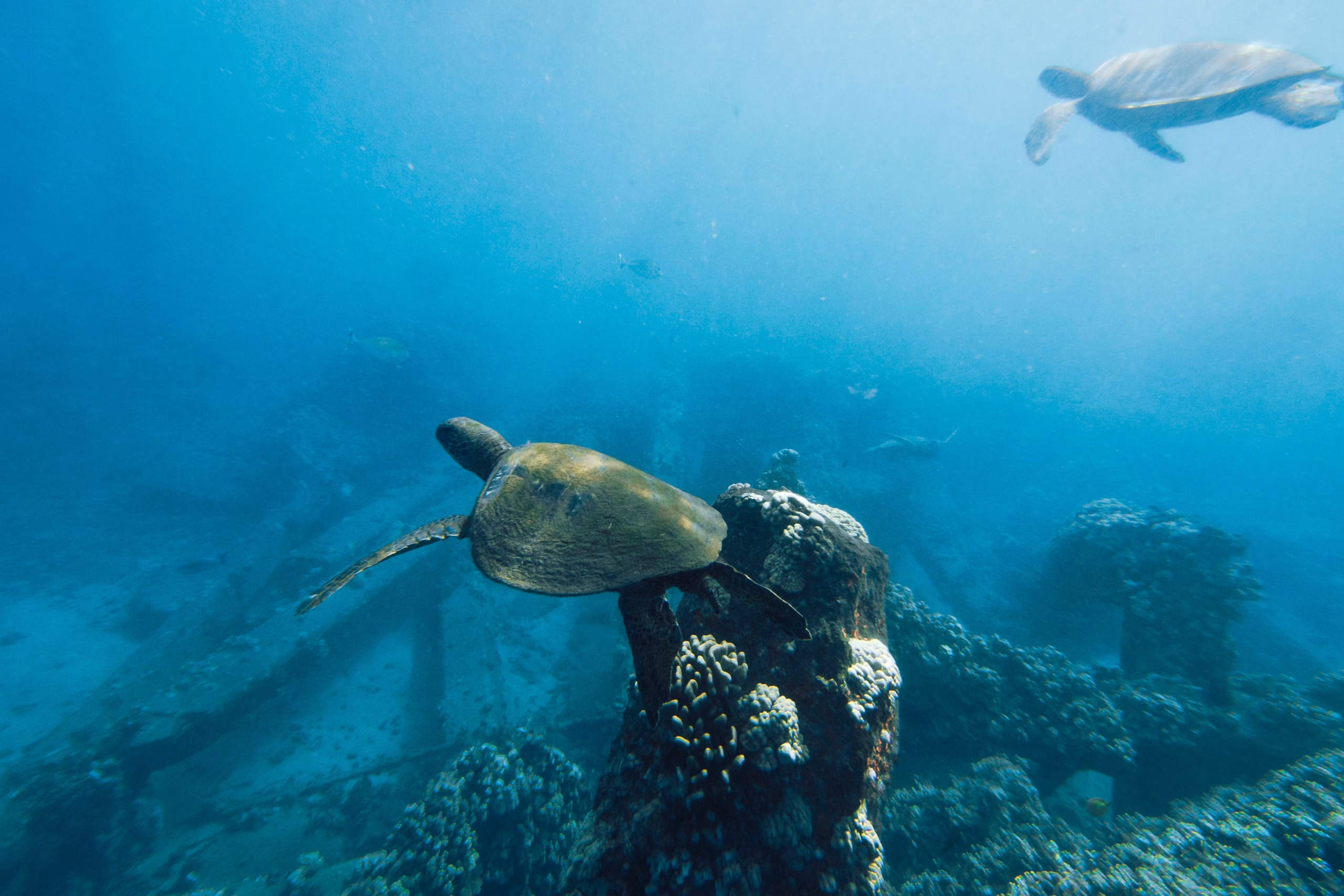
Rarely. Hawaiian green sea turtles, honu, prefer shallow sheltered shelves with algae growth and gentle surge, and Molokini’s inner cove offers little of either. You will see them occasionally on the outer edges, but nobody should book a crater trip expecting a turtle guarantee. The reliable turtle sites are Turtle Town off Maluaka and the Makena coastline, which is why most combo tours add a second stop there. If honu are your priority, read the marine life and Turtle Town guide before you choose an operator, then check the combo fares on the tours page.
Do you see sharks at Molokini Crater?
Almost never, and there has been no recorded shark fatality at Molokini itself. The crater’s inner cove has no resident shark population, and the reef whitetip and grey reef sharks that do pass through want nothing to do with snorkellers splashing near the surface. Maui’s elevated tiger shark activity runs October through December, peaking in November, and it centres on murky coastal water near turtle nesting beaches, not on the clear offshore crater. Follow the skipper’s positioning, stay with your buddy, and skip swimming at Sugar Beach near the Kealia Pond outflow at dawn or dusk. The safety and shark facts page has the full data set.
What colours should you not wear in the ocean for sharks?
There is no colour that reliably increases shark risk, and the old “yum yum yellow” theory has never held up in field studies. What draws attention is contrast: high-shine jewellery, dangling reflective gear, uneven tan lines and erratic splashing all read as distressed prey. Wearing head-to-toe black or navy offers no measurable protection either, so pick whatever is comfortable and reef-safe. Practical advice beats superstition every time, and the etiquette details are collected in my reef etiquette guide.
Is it worth snorkelling at Molokini Crater?
Yes, if you book a dawn or late-morning slot and value visibility over coral cover. The crater delivers gin-clear water, often 100 ft plus, and a submerged caldera you cannot see anywhere else in Hawaii. It delivers far less coral than a good Oʻahu or Big Island site, and 67% of surveyed visitors reported feeling crowded during the 8:00 to 10:30 AM crush. Book around the crowd and it earns its reputation. Book a 1:00 PM departure and you may end up at Coral Gardens instead. Weigh it honestly with the Plan Your Visit breakdown.
What is the best time of day to snorkel at Molokini Crater?
The best window is 6:15 to 7:45 AM, when South Maui departures arrive 45 to 60 minutes before the Māʻalaea catamarans complete their 9.5-nautical-mile crossing. That is when the crater holds two or three boats rather than 12 to 15. A second quiet hour opens between 10:15 and 11:45 AM, once the big catamarans have left for their second stop and before trade winds build past 20 to 25 knots. Redline’s 9:45 AM Later Risers express, Makena Coast’s 10:30 AM two-hour trip and Blue Water Rafting’s 10:30 AM express all hit that second window. Seasonally, May, June and September give the steadiest conditions, as covered in the best time to visit Maui guide.
What are the biggest Molokini tourist traps and red flags?
The single biggest complaint is the afternoon diversion, where a cheap $75.00 to $105.00 booking ends up at Coral Gardens or Olowalu instead of Molokini with no refund. Every contract contains weather-permitting language and a captain’s-discretion clause, so read it before you pay. Other things worth knowing before you hand over a card:
- The $1.50-per-day snorkel bait: those leaky PVC masks are a lure for $30.00 to $45.00 weekly silicone sets, and the deep ticket discounts usually require a 90 to 180-minute timeshare presentation.
- Kickbacks steer you wrong: some rental clerks earn $10.00 per head for filling 100-plus passenger party boats, so ask who is paying whom.
- Parking enforcement is ruthless: Māʻalaea Harbour meters by licence plate at $1.00 per hour, cash is not accepted, and a five-hour payment on a five-hour tour regularly ends in a tow. Buy six to seven hours.
- Full-face masks are banned aboard PacWhale Eco-Adventures and Trilogy Excursions boats because of CO2 build-up and valve failures. Bring a standard two-piece dry snorkel.
- WWII ordnance remains on the seabed. Never touch metallic cylinders or fins, and follow the DLNR protocol: recognise, retreat, report to 911 and the DOH HEER Office on 808-586-5815.
- Avoid Reef’s End and the outer Back Wall without a dedicated drift boat, because the Alalakeiki Channel current sweeps hard through both.
Mobility is the other quiet red flag. Fast rafts at the Kīhei ramp refuse pregnant passengers, anyone with recent surgery or chronic back and neck conditions, and in some cases passengers over 300 lbs, plus you must climb a vertical ladder. If that rules you out, book a ramp-boarded catamaran at Kīhei or Māʻalaea instead. Foldable manual wheelchairs cross the pier gaps; motorised ones cannot. The house rules for the sanctuary itself, including reef-safe sunscreen and wildlife distances, are set out in my visitor rules and guidelines.
Still Deciding? Start With These Three Pages
If you only read three things before booking, make them these: the tours and pricing comparison, the transport and departure-hub guide, and the snorkelling and diving breakdown. Add the first-timer safety tips if you have never worn fins in open water, and the photos and views page if you want to know what the crater actually looks like from the water before you commit $200 to a morning.
One last practical note: whoever you book with, buy six to seven hours of parking, check in early, and take the seasickness tablet an hour before boarding rather than on the boat. Do that and Molokini will reward you. Skip it and you will spend the crossing staring at the horizon like the rest of us once did.